
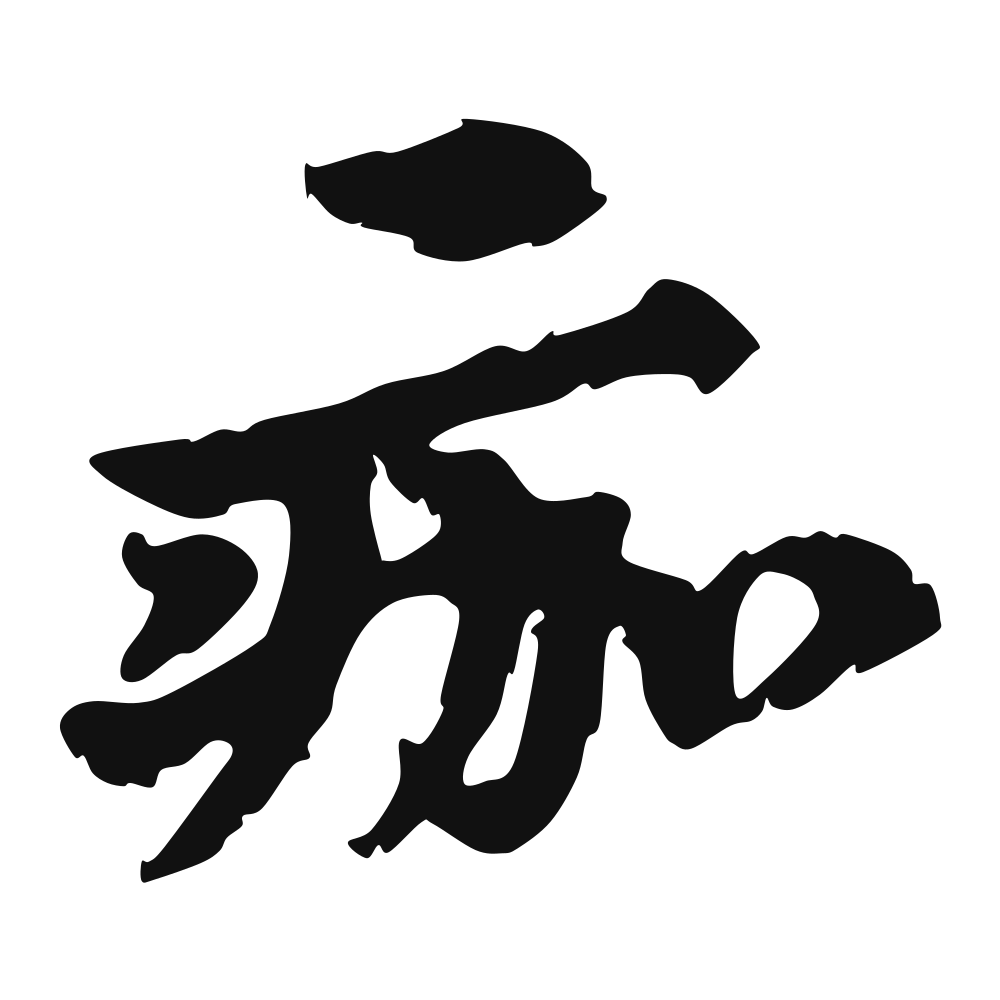
The Calligrapher — Sòng Kè 宋克
Ming calligrapher foremost in his age for clerical-cursive script.
Ming calligrapher (), master of clerical cursive — known for 《急就章》. Ming dynasty
Cultural Story
Southern Dynasties anecdote books relish Liu Yong, who claimed — half in jest, all in earnest — that fried scabs rivaled eel in flavor, and bullied guests into donating theirs. Whatever the truth, the tale fixed 痂 in the language as the odd badge of a wound finally, stubbornly healing.
Common words & phrases
- 结痂 form a scab
- 痂皮 scab skin
Read the story behind the character
Every scraped knee ends the same way: stop picking, and let it 结痂 (form a scab). Moms photograph the healing 痂皮 (scab skin) for the family chat, and skateboarders compare scab timelines like trophies, until the peeling starts and the whole cycle begins again.
Why this character belongs on skin
First the red, then the dark crust, then — if you are patient and do not pick — the new skin, faintly pink, unweathered, yours. 痂 is the scab, and it may be the most quietly hopeful character in the whole gallery of ailments. The body, left alone, repairs itself; this is the visible seal it lays over every loss, a small dark roof raised in a night. Monks and soldiers agree on this much: healing has its own schedule, and interference is the only true enemy. The itch is part of the contract. To tattoo this word is to tell your own history in one character — every old grief, every cut, every season you spent holding yourself together — all of it crusted over and gone to smooth skin beneath, the way rivers forget their floods. You survived the picking phase. Wear the proof.
Own this character
Purchase delivers the original SVG of this glyph, brushed by Sòng Kè 宋克, ready to place on skin, paper, or screen.