
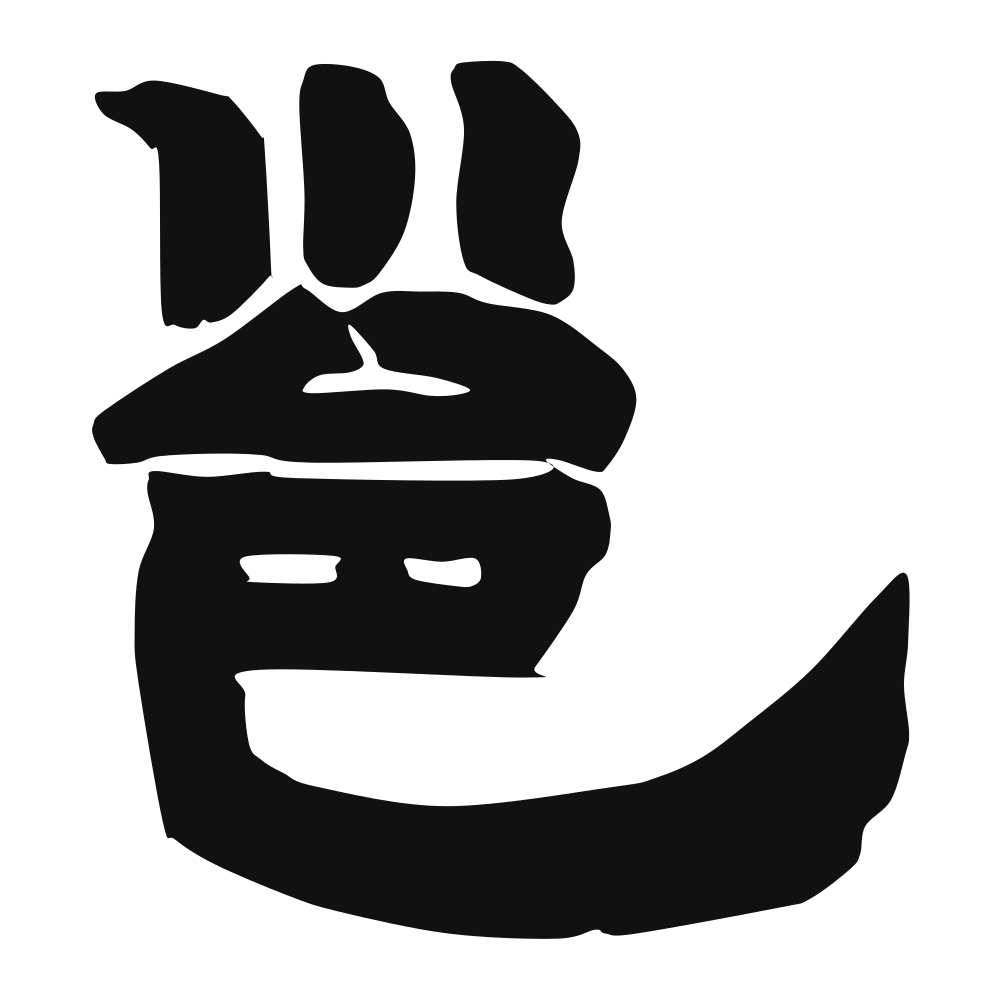
邕
Yong River (Guangxi); short name for Nanning (Guangxi); city surrounded by a moat
Closest English meanings
harmonious·Nanning
The Calligrapher — Sòng Kè 宋克
Ming calligrapher foremost in his age for clerical-cursive script.
Ming calligrapher (), master of clerical cursive — known for 《急就章》. Ming dynasty
Cultural Story
The 'Book of Songs' uses 雝 — the same root as 邕 — for harmonious sound, and the reduplicative 邕邕 keeps that meaning of concord. The character also names a place: 邕城 is the old name for Nanning, the capital of Guangxi, and the 邕江 river still runs through it. So one character holds both a settled peace and a southern city's geography.
Common words & phrases
- 邕城 Nanning city
- 邕江 Yong river
- 邕邕 harmonious
Read the story behind the character
Along the 邕江 in Nanning an evening crowd walks the floodwall, and a ferry crosses under the bridges of 邕城. A grandmother hums a tune to a sleeping child, the kind of 邕邕 calm the word describes. At the riverside market vendors call out in Cantonese and Zhuang, and the city's two riverside names — 邕江, 邕城 — appear on every sign and ticket.
Why this character belongs on skin
Before it was anyone's name, 邕 meant what water does around an island — currents meeting, encircling, and instead of clashing, settling into a single smooth embrace. The image made the character a byword for harmony: a city ringed by rivers was called by this word, and the scholar Cai Yong of the Han, one of the finest calligraphers who ever lived, carried it as his name. Think of what the image teaches. A hundred streams arrive with different histories and different speeds; the island does not fight them, and somehow the whole arrangement becomes one calm, moving whole. Confucius wanted exactly this for human beings — 和而不流, harmony without dissolving. A tattoo of 邕 is for the peacemaker, the one in whom opposing currents somehow find their common direction. Set it over the heart, where all the rivers of the body return.
Own this character
Purchase delivers the original SVG of this glyph, brushed by Sòng Kè 宋克, ready to place on skin, paper, or screen.