
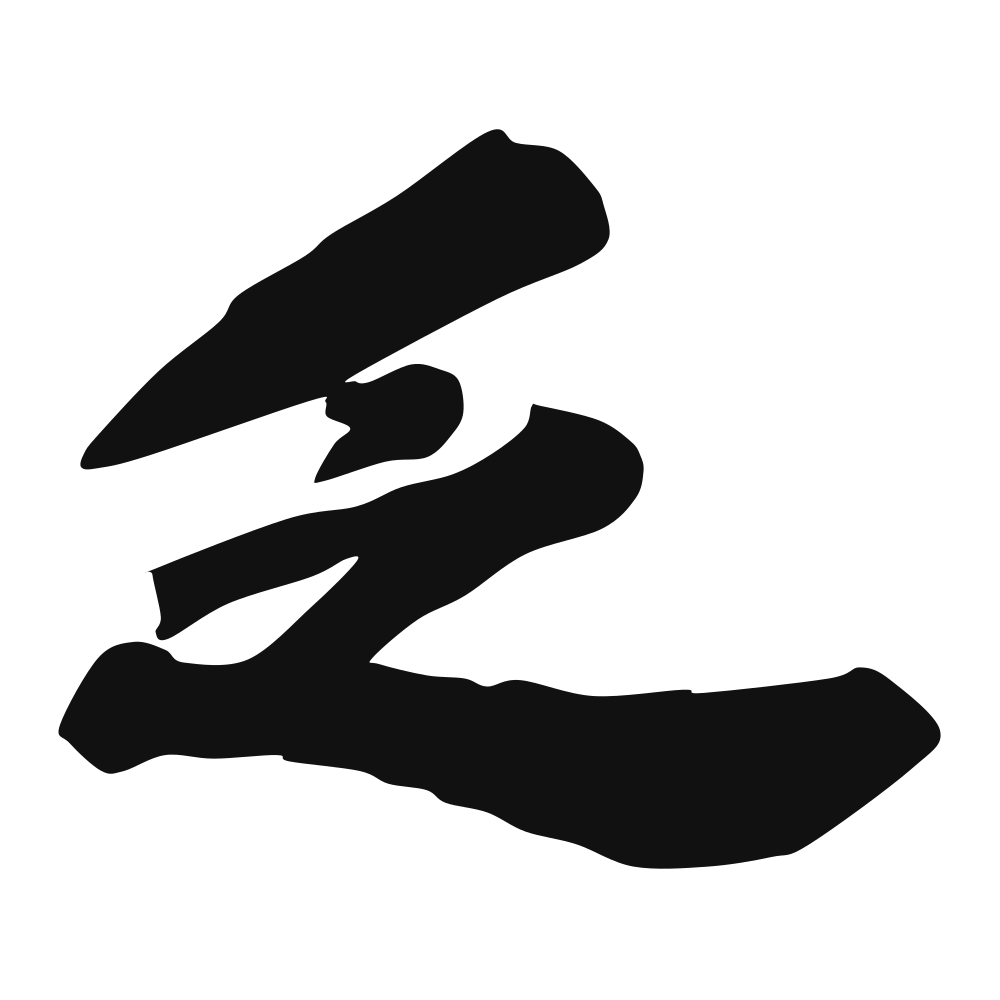
乏
short of; tired
Closest English meanings
lacking·tired·short of·fatigued
The Calligrapher — Sū Shì 苏轼
Song literatus whose spontaneous running script shaped the literati ideal.
Song calligrapher (1037–1101), master of running script/regular script — Song poet-statesman and polymath whose expressive running script made personality, not rules, the point. Song dynasty
Cultural Story
乏 showed a man with his legs giving out, to be short of strength, to tire. The 說文 reads it as to lack. A 戰國 general counted 乏卒, soldiers spent. 乏味 was the banquet with no salt, the joke that fell. The character is exhaustion made visible, the body at the end of its store, the cupboard the 詩經 warns you not to empty before winter.
Common words & phrases
- 缺乏 to lack · to be short of · shortage
- 乏味 dull · tedious · flat
- 乏力 weak · lacking strength · feeble
- 疲乏 tired · weary · fatigued
Read the story behind the character
缺乏 is the nutrient and the funds; 乏味 the meeting and the movie. 乏力 is the economy and your legs after the stairwell; 疲乏 the shift that would not end. The character names shortage in body and in spirit, the weak signal, the dull hour, the tired hand. It is the opposite of 丰, the empty half of the ledger, the word you reach for when there is not enough of anything to go around.
Why this character belongs on skin
The body keeps a ledger no bank ever sees. Some mornings you wake already in the red—not sad, not broken, merely 乏, short of the world's demands. The old word names a hollow that isn't shameful: the field after harvest, the lamp low on oil, the athlete spent at the wall. To be 乏 is to know your limits without flinching from them. The Stoics called it accepting what is; the monks called it emptying the self so something truer could pour in. A tattoo of this character isn't a confession of failure. It's a quiet truce with exhaustion, a mark for those who have given enough and survived the giving. Wear it where only you will find it, a reminder that to run dry is still to have run. The ink sits like a held breath—proof that you carried the weight, and that the weight, finally, let go.
Own this character
Purchase delivers the original SVG of this glyph, brushed by Sū Shì 苏轼, ready to place on skin, paper, or screen.