
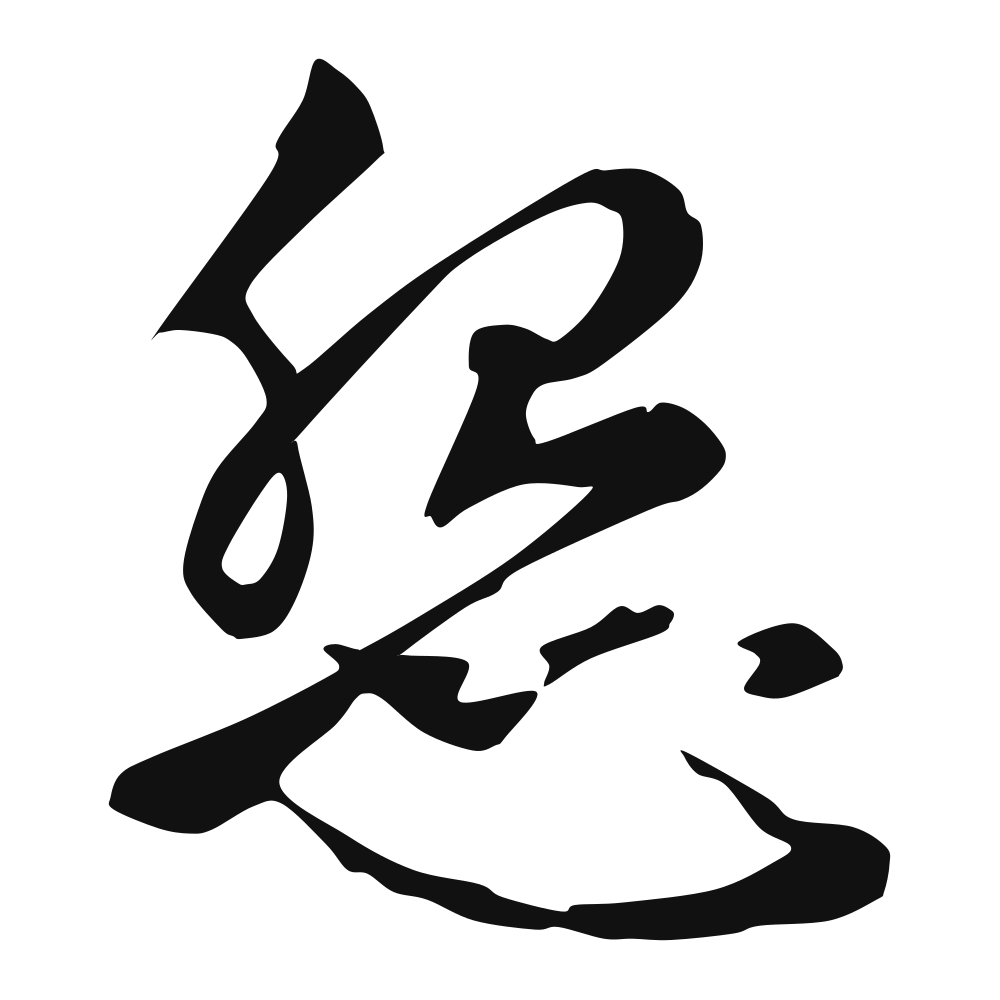
怨
to blame; (bound form) resentment; hatred; grudge
Closest English meanings
complain·resentment
The Calligrapher — Suǒ Jìng 索靖
Jin calligrapher famed for zhangcao (clerical-cursive script); author of the Essay on Cursive Script.
Jin calligrapher (), master of clerical cursive — known for 《月仪帖》. Jin dynasty
Cultural Story
怨 is the kept sore, the resentment that answers a wrong. 詩經 is full of 怨 at the faithless and the far, and 恩怨 is the long book of kindness and grudge a bond accumulates. The character is the debt of feeling — what you are owed in hurt, and will not quietly write off.
Common words & phrases
- 抱怨 complain
- 怨恨 resentment
- 怨气 grievance
- 恩怨 gratitude and resentment
- 怨言 complaint
Read the story behind the character
抱怨 is the text to a friend, 怨恨 the residue a slight leaves, 怨言 the complaint a worker mouths, 恩怨 the feud a wuxia film fights. The faithless is a colleague now; the book is long. We still keep the sore, and call it a grievance only when we want it paid, which the old poems already knew.
Why this character belongs on skin
It begins as a small stone in the shoe, a name you should not still remember, a slight that hardened into a grammar of your days. Resentment is the truest archive we keep—the character is a heart bent backward, turning always to what wounded it. The Buddhists name it clearly: the arrow already lodged, and then the one we plunge in ourselves. Confucius warned that to nurse a grudge is to build a second prison from the first. And yet there is a strange tenderness in the one who carries this mark, for it means someone mattered enough to leave a wound. To wear it is not to boast of bitterness but to admit the depth of your loyalty to the past. Let it be inked where only you can read it, a quiet pact that you have felt enough to forgive, or not—and that either way, the feeling was real.
Own this character
Purchase delivers the original SVG of this glyph, brushed by Suǒ Jìng 索靖, ready to place on skin, paper, or screen.