
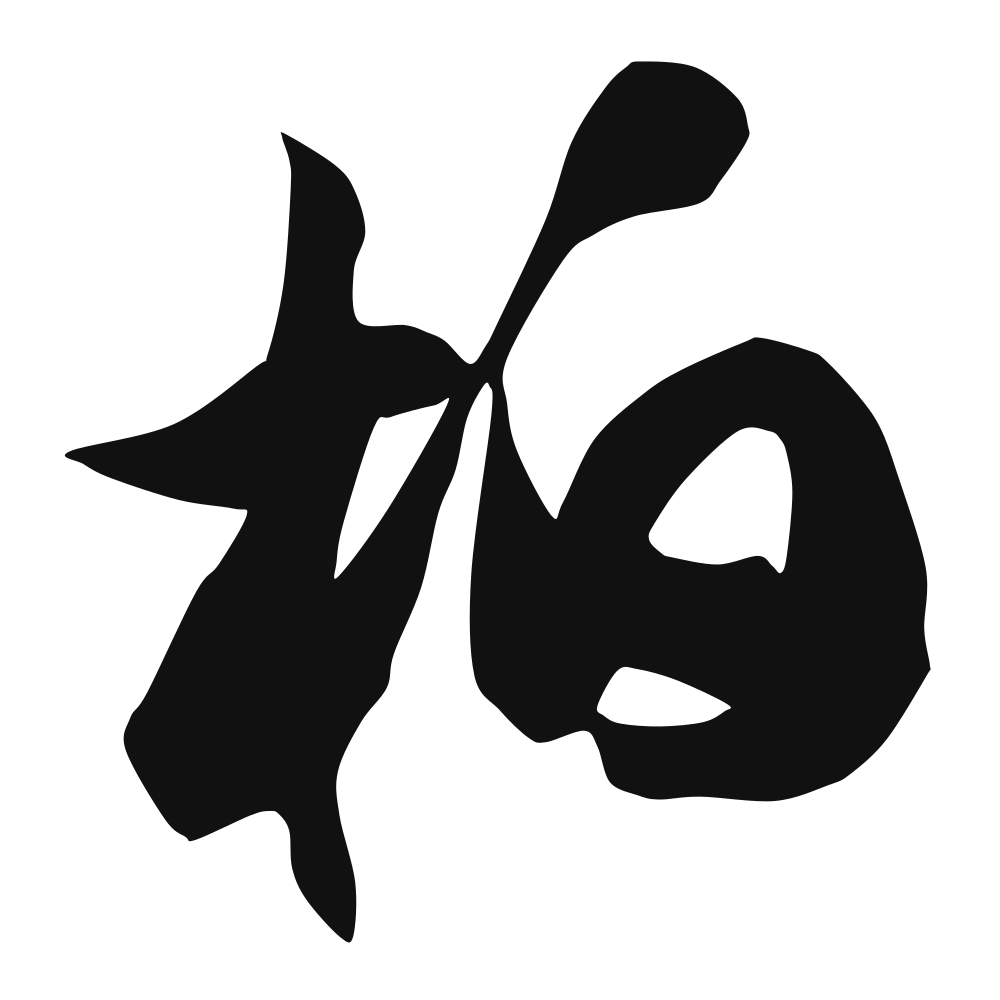
柏
surname Bai; Taiwan pr. [Bo2]; cedar; cypress; Taiwan pr. [bo2]; (used for transcribing names)
Closest English meanings
cypress·cedar
The Calligrapher — Wáng Huīzhī 王徽之
Jin calligrapher of cursive script, Wang Xizhi's son famed for the New-Moon Letter (Xinyue tie).
Jin calligrapher (), master of cursive script — known for 王羲之之子. Jin dynasty
Cultural Story
柏 is the cypress, the dark evergreen planted at tombs because it does not decay — the 論語 sets the gentleman beside 松柏, green when all else falls. 柏树 lines the avenues to imperial mausoleums. The tree is the emblem of constancy through winter, the wood that outlasts the mourner who planted it.
Common words & phrases
- 柏树 cypress
- 松柏 pine and cypress
- 柏油 asphalt · tar
Read the story behind the character
柏 is the graveyard tree and the road: 松柏 the pair on a tombstone couplet, 柏树 the somber row at a cemetery, 柏油 the black asphalt a crew lays on a street. The character split from sacred to civic — the same tree's wood now under your tires as much as over the dead in the ground.
Why this character belongs on skin
The cypress stands green through the snow when every lesser tree has bowed. The cypress, the evergreen whose wood neither rots nor bends, planted at graves and temples because it endures. Confucius stood before a stand of them and praised the gentleman who keeps his color in winter. The tree asks nothing and gives shade forever; it is the friend that outlasts the friendship. To carry this mark is to claim that steadiness, the part of you that does not flinch when the season turns cruel, that stays green out of sheer fidelity. It is a mark of constancy, inked along the forearm or the calf, a straight trunk in line. Let it say you are the one who remains, the evergreen witness, the wood that outlives the weather. Plant yourself on the skin as the tree that death itself respects.
Own this character
Purchase delivers the original SVG of this glyph, brushed by Wáng Huīzhī 王徽之, ready to place on skin, paper, or screen.