
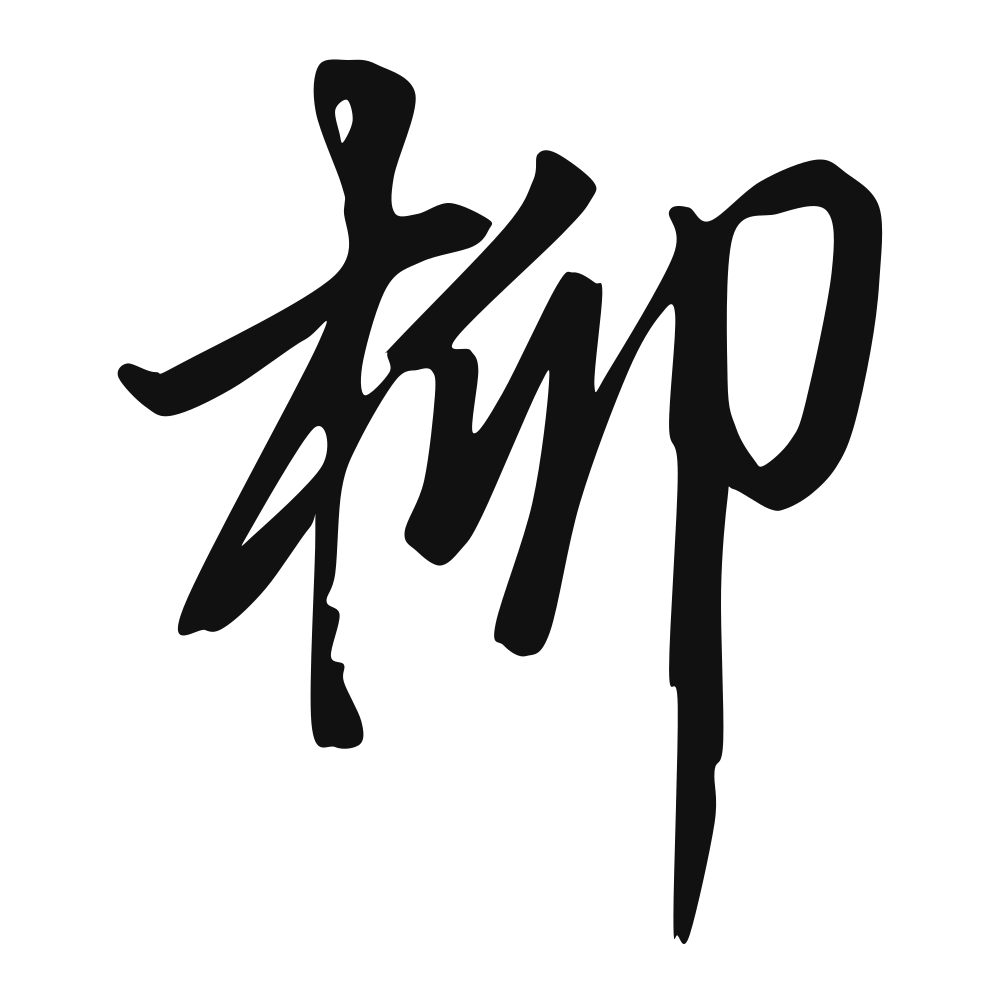
The Calligrapher — Wáng Huīzhī 王徽之
Jin calligrapher of cursive script, Wang Xizhi's son famed for the New-Moon Letter (Xinyue tie).
Jin calligrapher (), master of cursive script — known for 王羲之之子. Jin dynasty
Cultural Story
柳 is the willow, the tree of parting — travelers at a river ferry were given a 柳 branch, because its name sounds like to stay. The 詩經 already weeps by willows; 柳絮, the floating catkins, are the Tang poets' snow. The character is the leave-taking written into a leaf that trembles at the smallest wind.
Common words & phrases
- 柳树 willow tree
- 柳条 willow branch
- 垂柳 weeping willow
- 柳叶 willow leaf
- 柳絮 willow catkin
Read the story behind the character
柳 is the tree by the water: 垂柳 the weeping willow over a canal, 柳条 the twig woven into a basket, 柳叶 the eyebrow shape a beautician mimics. 柳絮 is the spring fluff that clogs a bike chain. The character is landscape and idiom, the green of goodbyes and of the month of March.
Why this character belongs on skin
The branch dips to the water and writes without a word. The willow, the tree that weeps and bends and never breaks, planted at parting so the traveler takes its pliancy with him. The old songs gave a willow branch to those who left, a wish that they bend but do not shatter in the far country. To be like the willow is to survive by yielding, to let the wind have its way and still stand green. The lover weeps beneath it; the mourner planted it at the grave. To carry this mark is to claim your tenderness as strength, your grief as a thing that flows and returns. Ink it along the side, a single drooping line, the branch that touches the skin like a hand. You will bend in the storm and be whole when it passes.
Own this character
Purchase delivers the original SVG of this glyph, brushed by Wáng Huīzhī 王徽之, ready to place on skin, paper, or screen.