
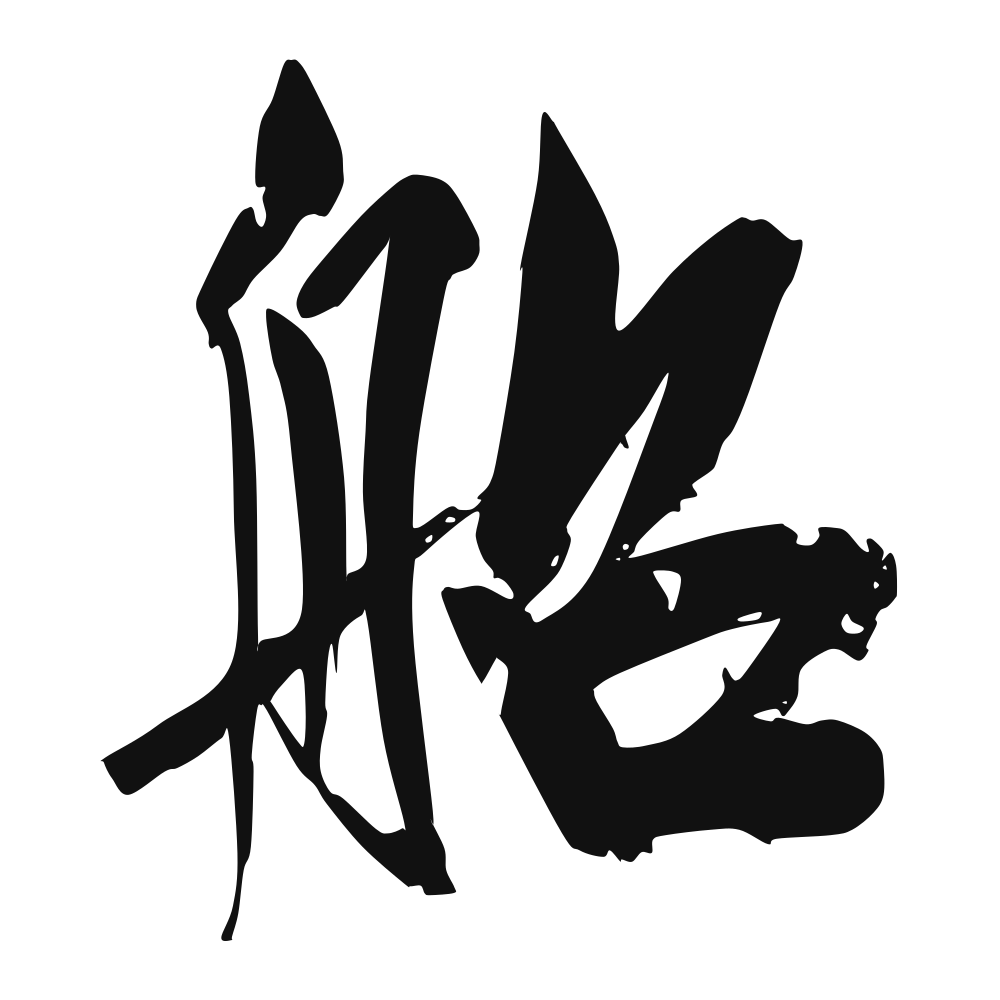
The Calligrapher — Wáng Huīzhī 王徽之
Jin calligrapher of cursive script, Wang Xizhi's son famed for the New-Moon Letter (Xinyue tie).
Jin calligrapher (), master of cursive script — known for 王羲之之子. Jin dynasty
Cultural Story
The character rides on the radical for boat, and the Shuowen simply defines it as a large vessel. Wooden ships with watertight compartments made Song-dynasty mariners masters of the monsoon routes, and Li Bai could praise a swift boat shooting past ten thousand mountains while apes cried on both banks, the picture of speed on gorges.
Common words & phrases
- 轮船 steamship
- 船长 captain
- 船员 crew
- 船只 vessels
- 帆船 sailboat
Read the story behind the character
A steamer once meant modernity; now the word covers everything from ferries to container giants. The captain checks charts, the crew lash containers, and on Qingming weekend a family boards a sailboat at the marina. Visa forms still ask how many vessels you have commanded if you list sailor as a job.
Why this character belongs on skin
Before the bridge there was the boat, the hollow thing that carries the living across the water that would drown them. This character is the vessel itself, plank and hull and the faith that it will hold. To ride chuán is to trust the made thing against the unmade deep, to cross grief, exile, the dark stretch between who you were and who you will be. The Buddhists speak of the raft that carries you to the farther shore and is then left behind, the teaching you no longer need once you have arrived. A man tattooed with this has been carried and has carried others, across rivers named divorce, illness, the long nights. Let it lie along the ribs, the curved hull of the body, and let it declare: I have crossed, and the boat held, and the water that took so many let me pass, because I built my vessel and I stepped into it without looking back.
Own this character
Purchase delivers the original SVG of this glyph, brushed by Wáng Huīzhī 王徽之, ready to place on skin, paper, or screen.