
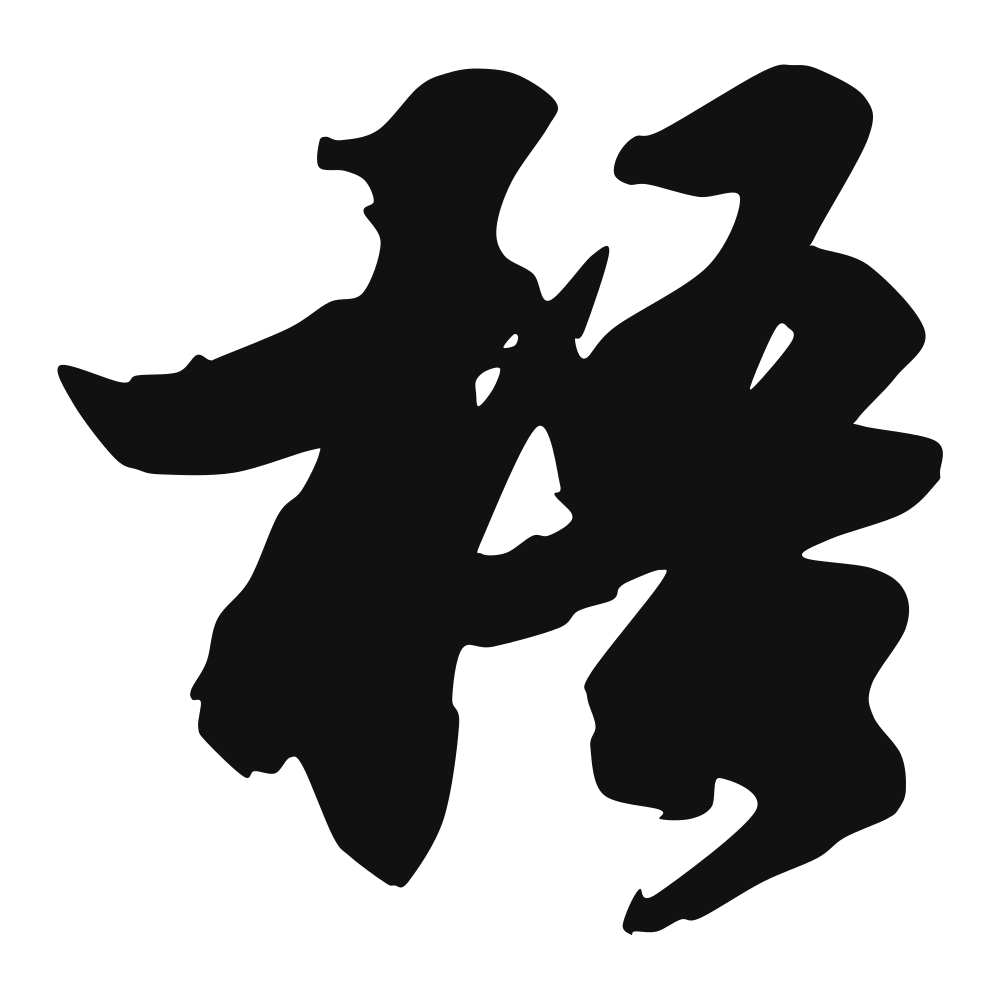
梧
Sterculia platanifolia
Closest English meanings
wutong tree·parasol tree
The Calligrapher — Wáng Xīzhī 王羲之
The 'Sage of Calligraphy'; his running script has set the standard for 1,700 years.
Eastern Jin calligrapher (303–361), master of running script/cursive script/regular script — the Sage of Calligraphy; his Orchid Pavilion Preface is the most celebrated work in the tradition, and nearly every later master traces lineage to his hand. Eastern Jin dynasty
Cultural Story
梧 is the wutong, the 梧桐 whose broad leaves and clean trunk the 詩經 and the poets love — the tree the phoenix chooses, the one planted by a scholar's window for the sound of rain on its leaves. 梧州 is a Guangxi city named for it. The character is the phoenix's tree, the instrument of weather.
Common words & phrases
- 梧桐 wutong · parasol tree
- 梧州 Wuzhou
- 梧桐树 wutong tree
Read the story behind the character
梧 is the tree and a city: 梧桐 the plane-like wutong lining a Shanghai or Nanjing avenue, gold in November, 梧州 the port on the Xijiang. The character stands alone only in the place-name; everywhere else it rides with 桐. It is the phoenix-tree turned street-tree and town on a map.
Why this character belongs on skin
The wútóng is the only tree the phoenix will descend upon, and so to plant it is an act of faith in a guest who may never come. Wú is that parasol tree, its broad leaves catching the first rain of autumn, its wood prized for the lute that sings without being struck. The poets heard loneliness in it—the empty courtyard, the dripping eaves, the letter never answered. I have stood beneath one at dusk and felt the particular grief of waiting beautifully, of refusing to lower one's standards for lesser birds. To bear wú is to confess you are waiting for something rare, and that you would rather wait alone than settle. The ink settles like bark on the skin, a quiet tree that shades whatever it touches. It pulls not with noise but with patience—the tree that trusts the phoenix, and the heart that trusts the rare.
Own this character
Purchase delivers the original SVG of this glyph, brushed by Wáng Xīzhī 王羲之, ready to place on skin, paper, or screen.