
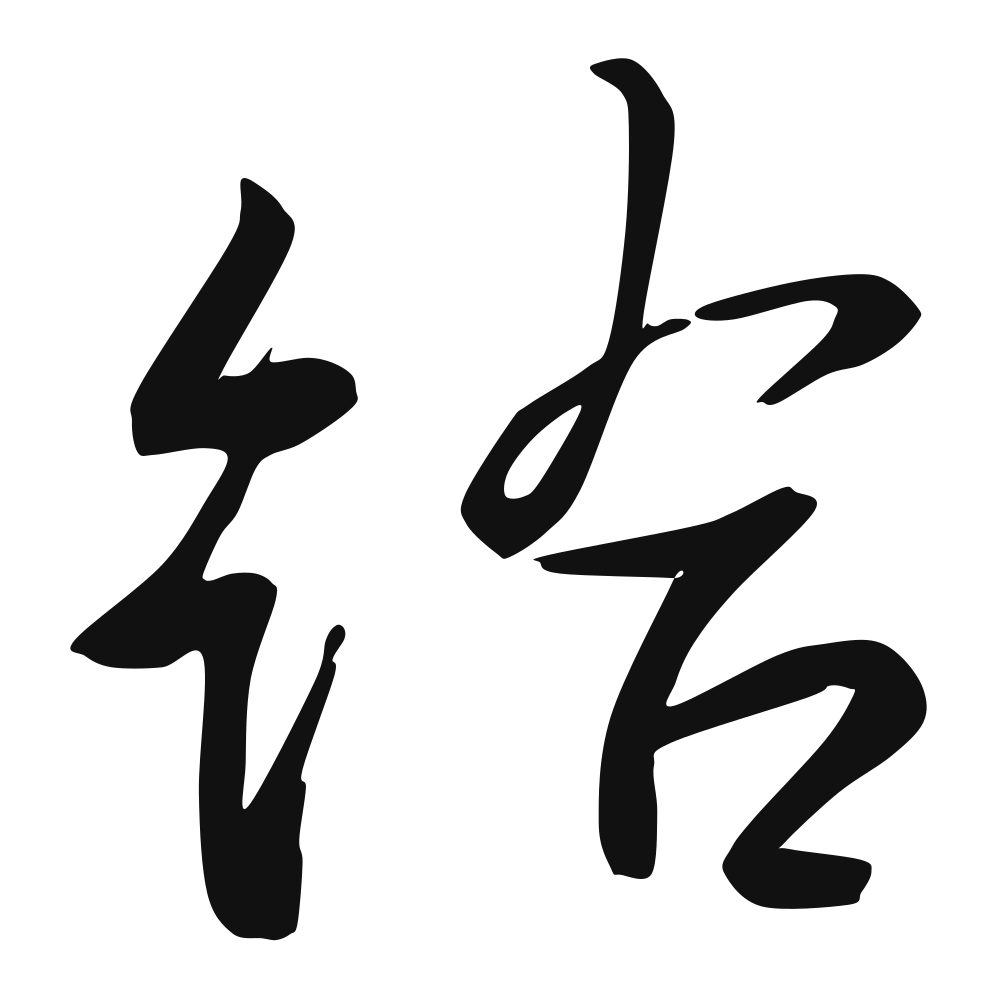
给
to; for; for the benefit of; to give; to allow; to do sth (for sb); (grammatical equivalent of 被); (grammatical equivalent of 把); (sentence intensifier); (bound form) to supply; to provide; (literary) sufficient; abundant
Closest English meanings
give·supply·provide·for
The Calligrapher — Wáng Xīzhī 王羲之
The 'Sage of Calligraphy'; his running script has set the standard for 1,700 years.
Eastern Jin calligrapher (303–361), master of running script/cursive script/regular script — the Sage of Calligraphy; his Orchid Pavilion Preface is the most celebrated work in the tradition, and nearly every later master traces lineage to his hand. Eastern Jin dynasty
Cultural Story
Read jǐ, 给 was the formal word for supplying: granaries that 给 border troops, stipends that 给 court officials, a realm praised as 家给人足 when every household was supplied and every person fed. The Xunzi counts steady provision among the first duties of a state. From this official register it slipped, over centuries, into the everyday gěi of simply handing something over.
Common words & phrases
- 送给 give · present
- 交给 hand over · give
- 供给 supply · provide
- 给予 give · render
- 给以 give · grant
- 自给 self-sufficient
Read the story behind the character
Gěi is possibly the busiest verb in Mandarin. A child tugs a sleeve: 给我, give me, the red crayon; a colleague 交给, hands, you the report before five. Civil servants discuss 供给, supply, of housing; a mentor 给予, bestows, careful feedback; proud farmers boast of 自给, self-sufficiency, in vegetables, and every polite request ends with a hopeful 给.
Own this character
Purchase delivers the original SVG of this glyph, brushed by Wáng Xīzhī 王羲之, ready to place on skin, paper, or screen.