
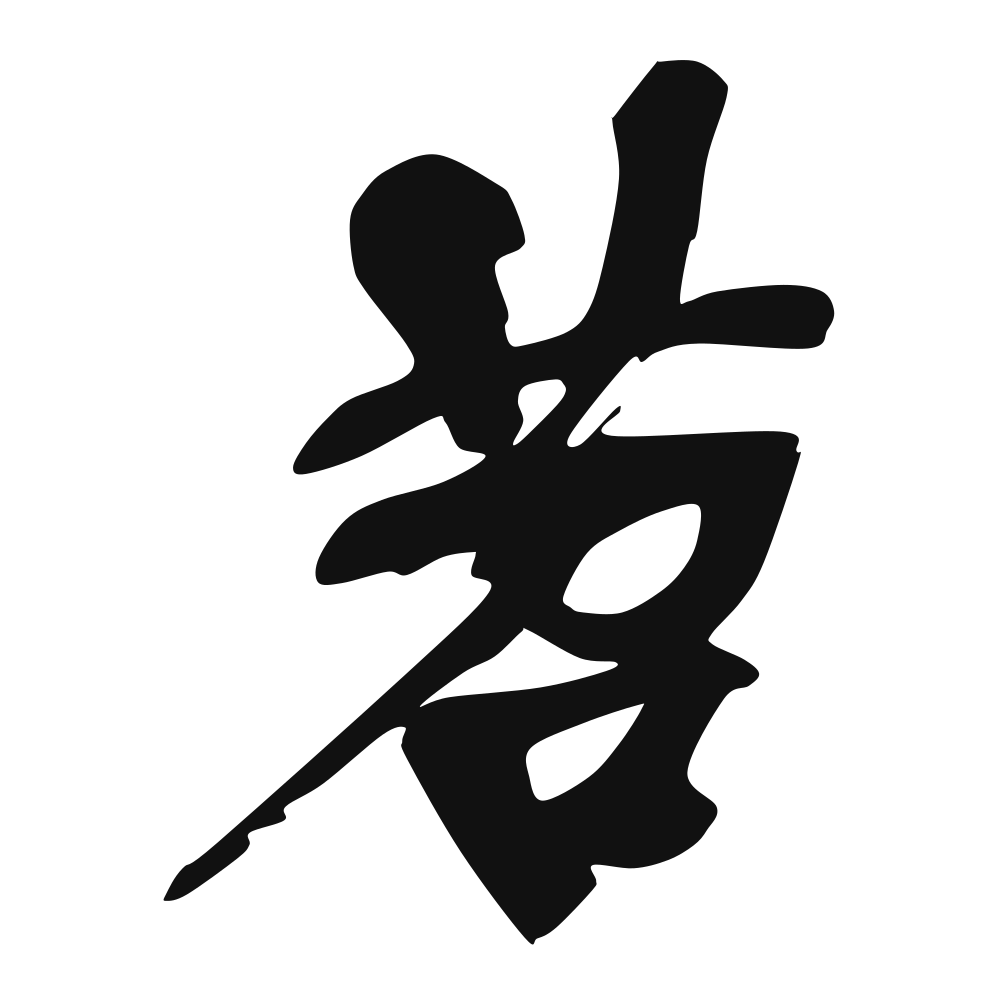
苕
reed grass; Chinese trumpet vine (Campsis grandiflora) (old)
Closest English meanings
reed·a plant·sweet potato
The Calligrapher — Wú Chāngshuò 吴昌硕
Qing master blending seal-script strength into bold brushwork.
Qing calligrapher (), master of seal script — late-Qing Shanghai master whose seal-script energy drives every stroke. Qing dynasty
Cultural Story
A poem in the Book of Songs watches the reed-flower turn yellow and asks, with famine logic, what the people will eat, the plant standing in for scarcity itself. The river in Zhejiang named for its reedy banks later sheltered the tea sage Lu Yu while he drafted the Classic of Tea, so the word flows through tea history too.
Common words & phrases
- 苕帚 broom
- 红苕 sweet potato
- 苕溪 Tiaoxi river
Read the story behind the character
In Hubei dialect the sweet potato is just the red reed-root, roasted in winter drums, and a meme gently teases the provincial accent that says it. A broom-maker on the edge of the city still binds brooms from its stalks, and a travel blog hikes the Reed Stream near Huzhou photographing bamboo and tea terraces.
Why this character belongs on skin
It grows where nothing else will. 苕 is the reed of the marshes and dry ridges, a wild grass that flowers late in autumn when every cultivated thing has been cut. In the Book of Songs, the 苕's yellow blossoms nod above the wasteland, and the poet watches them and thinks of time passing. That is the character's whole temperament: unimportant, unkillable, blooming exactly where the world forgot to look. The Tang monk-poets would have understood—poverty as ornament, the marsh as a cathedral. There is a sensual swagger in a plant that chooses poor soil and flourishes anyway. To wear 苕 is to side with the overlooked: the beauty that needs no gardener, the life that takes root in rubble. You have been the reed. You know the secret—that marginal ground is where the strongest bloom.
Own this character
Purchase delivers the original SVG of this glyph, brushed by Wú Chāngshuò 吴昌硕, ready to place on skin, paper, or screen.