
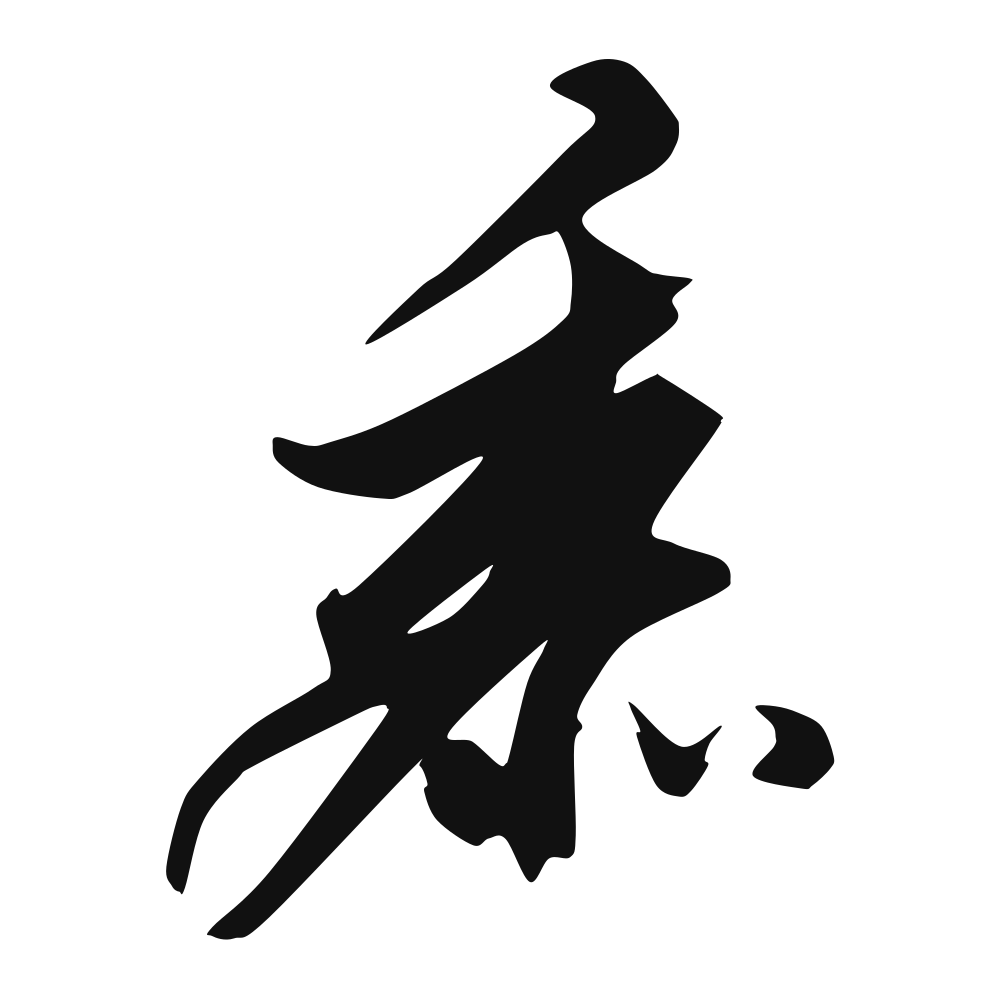
黍
broomcorn millet; glutinous millet
Closest English meanings
millet·broomcorn
The Calligrapher — Xiè Jìn 解缙
Ming grand secretary and cursive master.
Ming calligrapher (), master of cursive script — known for 永乐大典总裁. Ming dynasty
Cultural Story
《説文解字》defines 黍 as “禾屬而黏者也” (a sticky member of the grain family), a pictograph of drooping millet ears. Broomcorn millet, it was brewed into wine for ancestors and cooked at festivals. Its glutinous quality set it apart from ordinary rice and fed the north's ritual tables.
Common words & phrases
- 黍子 broomcorn millet
- 黍米 millet
- 黍稷 millet crops
- 黄黍 yellow millet
Read the story behind the character
The 黍子 (broomcorn millet) and 黍米 (millet) still simmer into congee and festival wine, the 黍稷 (millet crops) recall old harvest rites, and 黄黍 (yellow millet) fills health-food bins. Northern cooks mold sticky 黍 into cakes, keeping a Neolithic grain alive on modern holiday tables.
Why this character belongs on skin
Before rice fed the south, millet fed civilization. 黍 is the golden grain of the Yellow River valley, the crop a starving people gambled every spring on. It appears in the oldest poems we have: a homesick traveler sees the ruined capital overgrown with millet, and weeps because the grain is thriving where his life once was. Grief and sustenance in the same field. There is no softer way to say human: we are the animals that plant, that wait, that bet on a season we won't control. The character is humble—a grain head nodding under its own weight, the way the ripest men bow lowest. To ink 黍 is to honor the ordinary miracle, the daily bread, the fact that you are fed by the earth and will one day feed it. Chew slowly. Everything golden comes from dirt.
Own this character
Purchase delivers the original SVG of this glyph, brushed by Xiè Jìn 解缙, ready to place on skin, paper, or screen.