
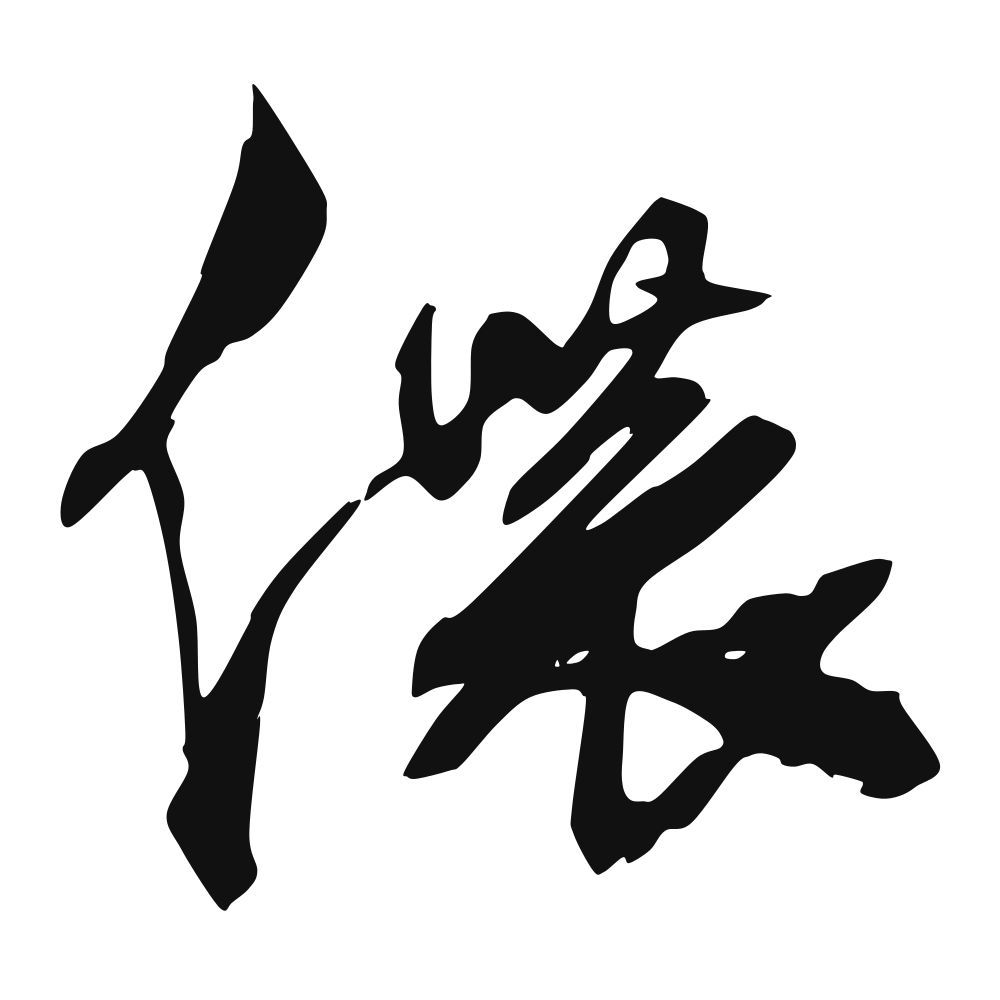
儂
you (Wu dialect); I, me (classical)
Closest English meanings
I (Wu dialect)·you
The Calligrapher — Xú Wèi 徐渭
Ming mad genius regarded as father of wild, expressive cursive.
Ming calligrapher (1521–1593), master of cursive script — Ming wild genius whose cursive is expressive to the edge of chaos. Ming dynasty
Cultural Story
The southern 乐府, the "Midnight Songs," speak in the first person of the Wu country, where the lover says 侬 — "I" — and 侬家 means "my house." The word is the soft pronoun of the Yangtze delta, heard in 刘禹锡's 竹枝 too. To say 侬 was to place oneself in the watery south, among its boats and its tunes.
Common words & phrases
- 阿侬 I (term of self)
- 侬家 my home · I
- 侬音 one's accent
Read the story behind the character
An old song calls 阿侬; a 侬家 recipe travels from the grandmother's kitchen. The linguist notes the 侬音 in the market's speech, and a tourist mimics 侬 with a smile. The word still means "I" in the Wu tongue — a pronoun of the south, kept alive in lullabies, dialects, and the teasing of the riverside towns.
Own this character
Purchase delivers the original SVG of this glyph, brushed by Xú Wèi 徐渭, ready to place on skin, paper, or screen.