
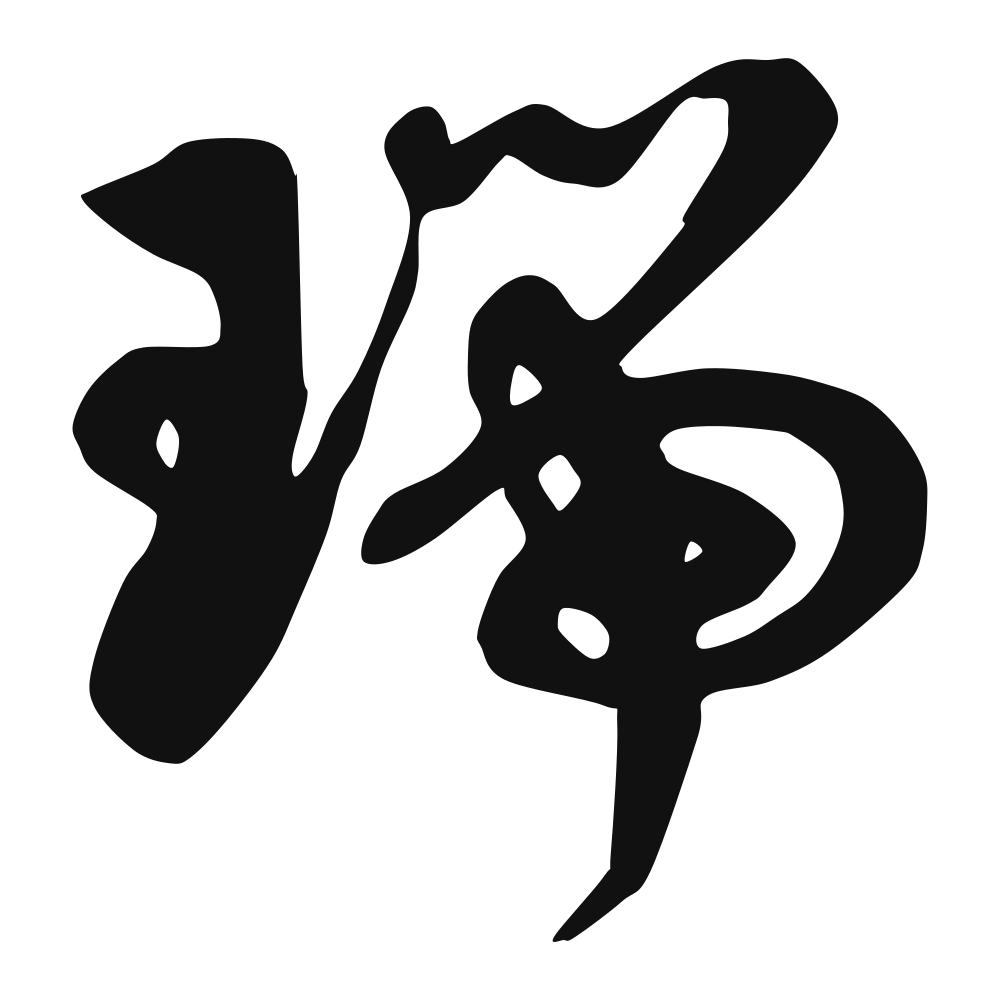
瑞
lucky; auspicious; propitious; rayl (acoustical unit)
Closest English meanings
auspicious·lucky
The Calligrapher — Yà Qī 亚栖
Tang monk calligrapher of cursive script, heir to Zhang Xu's manner.
Tang calligrapher (), master of cursive script — known for 禅僧书家. Tang dynasty
Cultural Story
Rui once meant the jade tablets that served as tokens of trust between king and vassal, and from credentials it broadened to every lucky sign heaven sent. A snowfall at the right season was 瑞雪, snow of good omen — folk wisdom promises such snow foretells a fat harvest.
Common words & phrases
- 瑞雪 auspicious snow · timely snow
- 祥瑞 auspicious sign · good omen
- 瑞气 auspicious air · lucky aura
Read the story behind the character
The word still does festive duty. New Year cards wish households 瑞气, auspicious air, drifting through the door; newsreaders welcome the year's first 瑞雪 with satisfaction. Weather forecasts, travel posters and gift-shop calligraphy keep this ancient good-luck token in daily circulation.
Why this character belongs on skin
The ancients watched for signs: a crane alighting on the palace roof, an unusual cloud at dawn, jade surfacing from a riverbed. When heaven whispered good news through the world, they called it 瑞 — an auspicious omen, the royal seal of blessing. The character wears the jade radical, because jade was itself an omen, the stone of virtue and of heaven's favor. Not luck as the gambler means it, but something older: the sense that the universe occasionally leans toward you, that grace is real but arrives on its own schedule. Christians might call it providence; the Romans, an omen; your grandmother might just say the stars lined up. To wear 瑞 is to invite the favorable, quietly, the way you leave a window open for a bird you hope will return. It is hopeful ink, confident ink — a small green light on the skin that says: the good omen is coming. Be there to greet it.
Own this character
Purchase delivers the original SVG of this glyph, brushed by Yà Qī 亚栖, ready to place on skin, paper, or screen.