
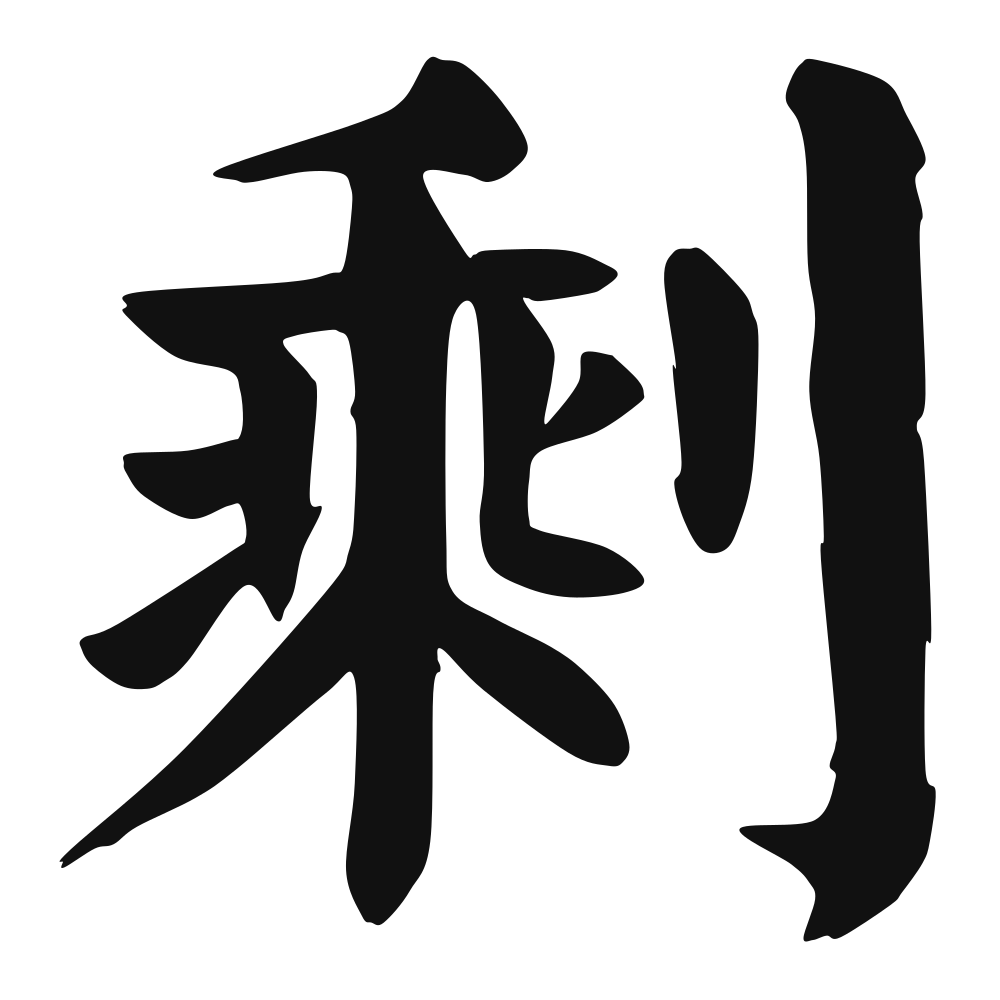
剩
to remain; to be left; to have as remainder
Closest English meanings
remain·leftover·surplus
The Calligrapher — Yán Zhēnqīng 颜真卿
Tang master of robust regular script; co-creator of the enduring 'Yan style'.
Tang calligrapher (709–784), master of regular script/running script — the Tang moral paragon whose upright, muscular regular script became the model of Chinese integrity in writing. Tang dynasty
Cultural Story
(Du Fu, jobless and cold, wrote of "残杯与冷炙,到处潜悲辛" — the leftover cup and the cold roast, where he hid his shame from door to door. The 剩 in his line is the scrap no one wanted. The character holds the remnant of the banquet and the pride that eats it.
Common words & phrases
- 剩余 remainder · surplus
- 剩下 left over · remaining
- 剩饭 leftover food
Read the story behind the character
The 剩饭 goes to the dog. The 剩余 stock clears at cost. The 剩下 seats fill at the late show. The word names the leftover, the balance, and the scrap kept after the rest is gone. The 剩饭 goes to the dog, the 剩余 stock clears at cost, and the 剩下 seats fill at the late show.
Why this character belongs on skin
There is a strange tenderness in what survives. The fire takes the timber and leaves the stone; winter strips the orchard and leaves the crooked branch that still fruits. 剩 is that remainder, the residue that outlasts appetite and accident alike. Buddhists would call it what falls away when illusion burns off — and what falls away was never really yours. Lovers know this too: when everything performative has been spent, what is left standing is the true thing, the quiet bone of a bond. To wear 剩 is to claim survival as an ornament, to say I have been spent and I am still here, still worth keeping. The last light on the last hill, the friend who stayed when the room emptied. Ink that endures, like you.
Own this character
Purchase delivers the original SVG of this glyph, brushed by Yán Zhēnqīng 颜真卿, ready to place on skin, paper, or screen.