
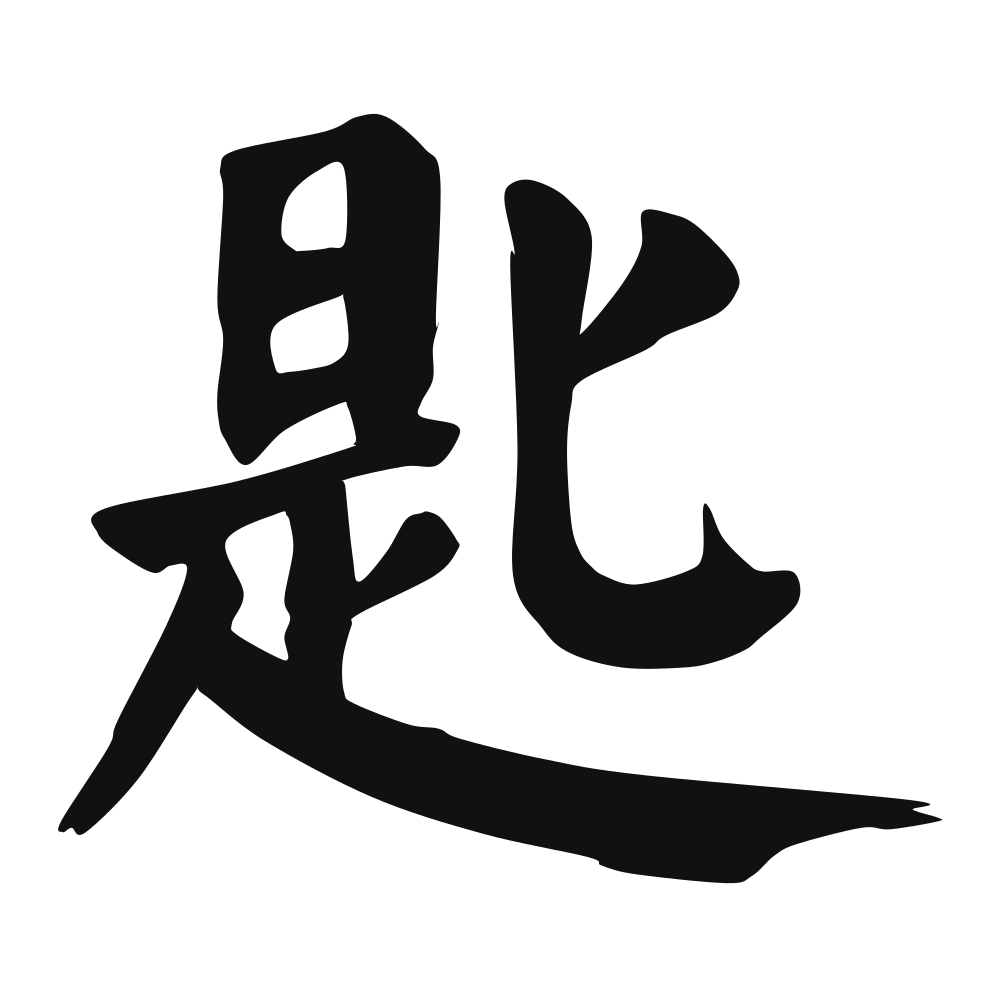
The Calligrapher — Yán Zhēnqīng 颜真卿
Tang master of robust regular script; co-creator of the enduring 'Yan style'.
Tang calligrapher (709–784), master of regular script/running script — the Tang moral paragon whose upright, muscular regular script became the model of Chinese integrity in writing. Tang dynasty
Cultural Story
The bronze 匙 of a Tang lady was a slender scoop for powdered tea, found still in her tomb beside the jar. 钥匙 is the later word for the iron key that turned the lock of a yamen storeroom. 汤匙 and 茶匙 name the table spoons a household sets by the bowl; the character has always been the thing that lifts or unlocks.
Common words & phrases
- 钥匙 key
- 汤匙 soup spoon · tablespoon
- 茶匙 teaspoon
Read the story behind the character
A drawer yields to its 钥匙; 汤匙 stirs the congee a nurse brings a patient. 茶匙 measures the leaves for a guest's cup, and a lost 钥匙 strands a commuter who texts home. The word sits on the hook by the door and in the cutlery tray, the small hinge of every ordinary day.
Why this character belongs on skin
In the compound that means key, this character is the turning part, the small tongue of metal that frees what was locked. Alone it is the spoon that lifts nourishment to the mouth, the first instrument of being fed and of feeding. Both senses turn on the same truth: a humble object that opens a way. The Daoist would smile at the irony, that the lock and the meal share one word, that what sustains us and what releases us are both small, plain, in the hand. To wear it is to claim the quiet power of the opener, the one who lets life in. Let it rest near the palm or the throat, a reminder that you hold the small thing that turns the great one, that you are the key you were looking for.
Own this character
Purchase delivers the original SVG of this glyph, brushed by Yán Zhēnqīng 颜真卿, ready to place on skin, paper, or screen.