
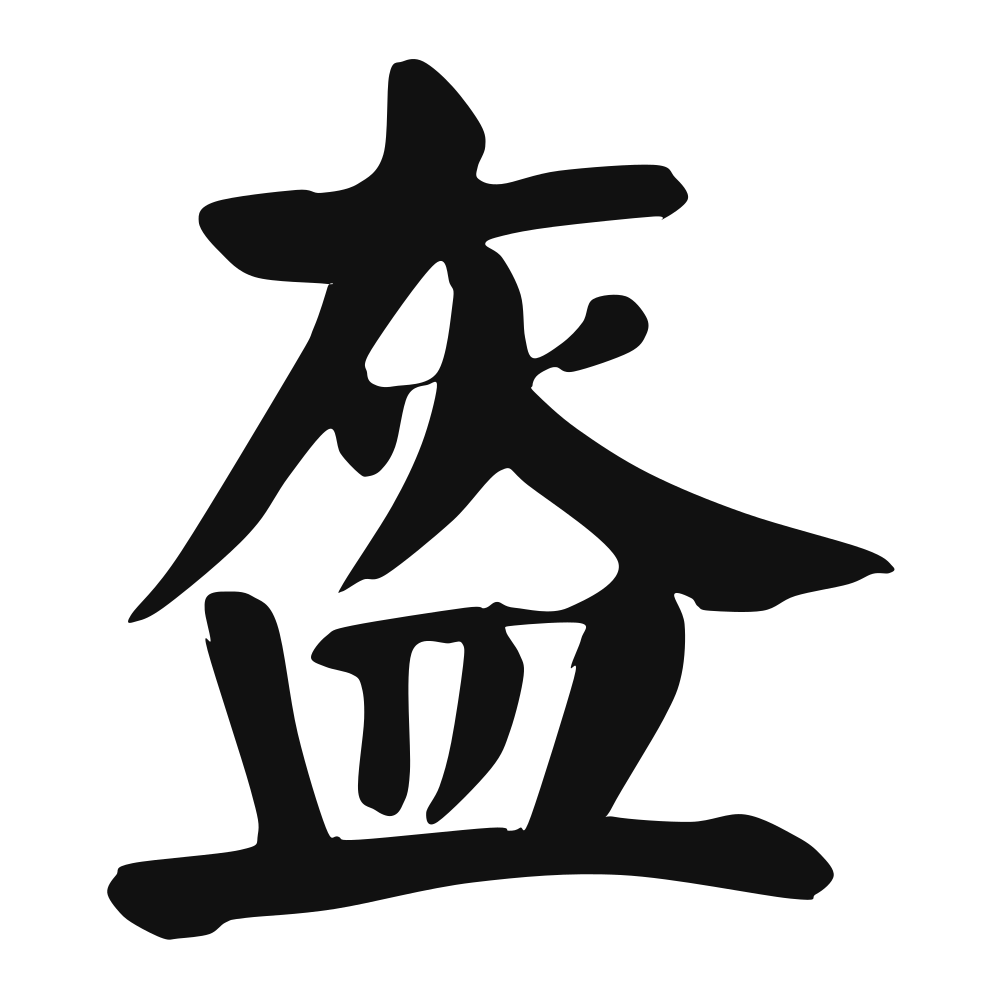
The Calligrapher — Yán Zhēnqīng 颜真卿
Tang master of robust regular script; co-creator of the enduring 'Yan style'.
Tang calligrapher (709–784), master of regular script/running script — the Tang moral paragon whose upright, muscular regular script became the model of Chinese integrity in writing. Tang dynasty
Cultural Story
盔 is the soldier's helmet. Chroniclers of the wars describe ranks whose 盔甲 gleamed in the sun, and regional opera still costumes warrior roles in plumed 盔, so audiences read a general's rank and courage at a single glance from the farthest row.
Common words & phrases
- 头盔 helmet
- 盔甲 helmet and armor · armor
- 钢盔 steel helmet
Read the story behind the character
The helmet has moved from war to traffic: e-bike riders are fined for riding without 头盔, construction sites hand out hard hats at the gate, and museums display Ming dynasty 盔甲 under glass. Motorcycle fans spend weekends polishing a chrome 钢盔 to a mirror shine.
Why this character belongs on skin
The first thing a soldier learns is not how to kill but how to lower his head. The helmet is the oldest prayer we know, a dome of iron pressed to the skull that says: I intend to come home. In the Art of War, the general who covers his men first is the one who wins their bodies and their sleepless loyalty. To wear this character is to admit the world aims at your temple and still to walk out at dawn. It is armor as devotion, the steel benediction before the charge. Lovers know it too, the way a hand cradles the back of a head in the dark, a small helmet of tenderness against the chaos. Ink it where the blow would fall, and let it be the quiet vow that you went forth guarded, that someone or something once put a roof over your thinking and sent you into the fire on purpose.
Own this character
Purchase delivers the original SVG of this glyph, brushed by Yán Zhēnqīng 颜真卿, ready to place on skin, paper, or screen.