
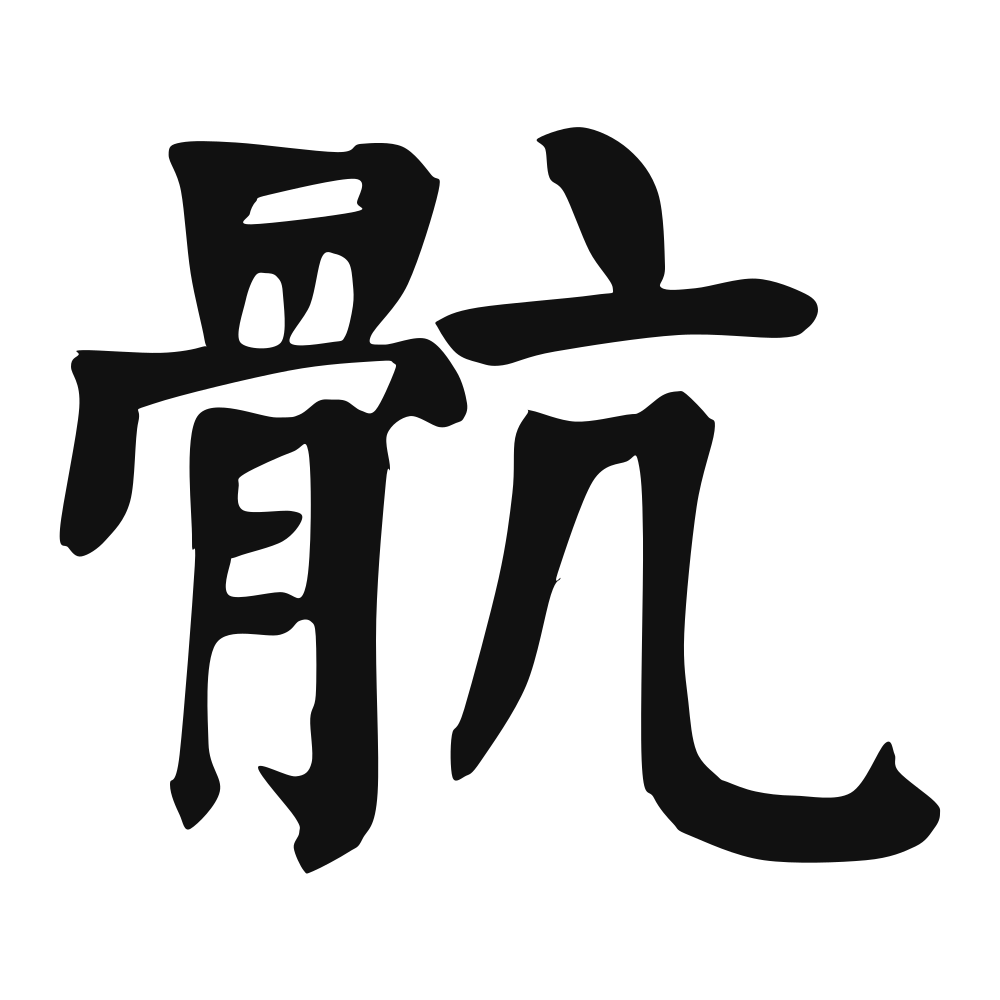
肮
usually seen in: dirty; filthy (肮脏)
Closest English meanings
dirty·filthy
The Calligrapher — Yán Zhēnqīng 颜真卿
Tang master of robust regular script; co-creator of the enduring 'Yan style'.
Tang calligrapher (709–784), master of regular script/running script — the Tang moral paragon whose upright, muscular regular script became the model of Chinese integrity in writing. Tang dynasty
Cultural Story
肮 originally did not mean dirty at all: 肮 once described a raised, prominent throat — the stubborn posture of a man unwilling to bow. Only in later centuries did 肮脏 shift to mean filthy, perhaps from association with dust and grime. Language, too, can change its clothes and forget them.
Common words & phrases
- 肮脏 dirty · filthy · sordid
Read the story behind the character
Today 肮脏 dirty is the everyday word: commuters grumble about 肮脏 dirty trains after a storm, a renter scrubs a 肮脏 filthy apartment before moving in, and journalists speak of 肮脏 dirty deals. Kids learn it early from mothers refusing to let muddy shoes track the 肮脏 filthy hallway.
Why this character belongs on skin
Something is not clean — 肮, the unclean, the soiled, the part of life we are told to hide. Paired with 脏 it names all that is dirty; alone it carries the stubborn stain, the smudge that will not wash. Yet the body is 肮 and sacred both; we are made of the very matter we call unclean, and the denial of it is its own small lie. The sage does not pretend the mud is not there; he walks through it and notes the feet still work. To wear this character is to refuse shame at the messy, animal truth of being flesh. Let it sit on your skin as a bold honesty — I am not only the polished surface; I am also the dirt, the urge, the thing that sweats and breaks. Ink the 肮, and you ink permission to be whole.
Own this character
Purchase delivers the original SVG of this glyph, brushed by Yán Zhēnqīng 颜真卿, ready to place on skin, paper, or screen.