
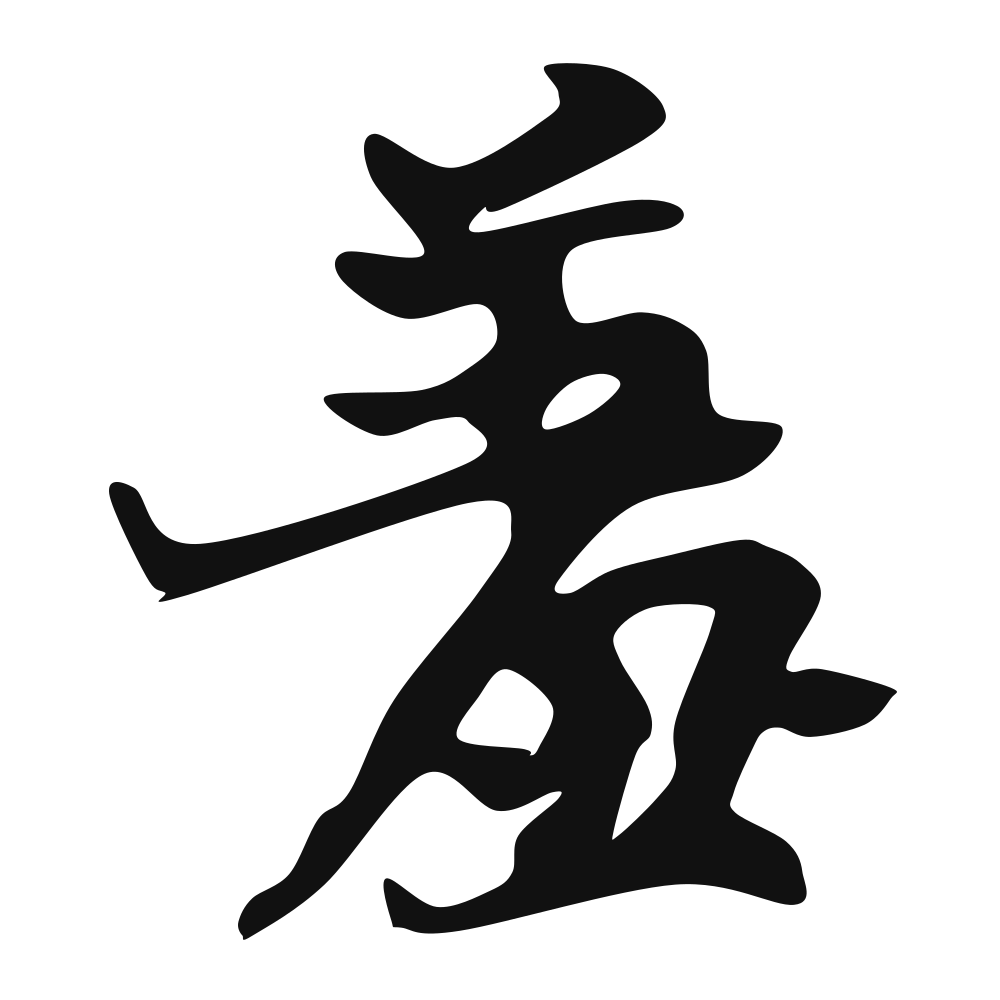
羞
shy; ashamed; shame; bashful; delicacies
Closest English meanings
shy·ashamed·delicacy·embarrassed
The Calligrapher — Yáng Níngshì 杨凝式
Five Dynasties master bridging Tang and Song running script.
Five Dynasties calligrapher (873–954), master of running script/cursive script — known for 《韭花帖》. Five Dynasties period
Cultural Story
羞 first offered food, not shame: a hand (丑) presenting a sheep — the delicacy set before a guest. Early texts keep this sense in 珍羞, rare delicacies, later written with the food radical as 馐. Only afterward did the word turn inward, toward the flush of a person caught offering too much of themselves.
Common words & phrases
- 害羞 shy · bashful · timid
- 羞耻 shame · humiliation
- 羞愧 ashamed · guilty · sheepish
- 羞涩 shy · bashful · coy
- 羞怯 shy · timid · bashful
Read the story behind the character
The blush rules the school years: the 害羞 (shy, bashful) kid hides behind the monitor at karaoke; forgetting a best friend's birthday brings real 羞愧 (ashamed, guilty); a first date is pure 羞涩 (shy, coy) silence until someone laughs. PE class supplies the 羞耻 (shame) — and relatives still tease 别害羞, don't be shy.
Why this character belongs on skin
She lowers her eyes and the room grows quieter than any command could make it. The old word for this shyness was first drawn as a sheep offered in tribute — the gift presented, then the face that could not meet the giver's. Shame, in its first honest form, was reverence: the sense of being before something greater and knowing it. We lost the word to meanness, but the blush remains holy. To be modest is to know your own smallness and not resent it. Wear it where you have knelt in awe of something larger — a lover, a God, a star. Let the ink be the downward glance, the loveliest proof that not all of you needed to be seen to be real.
Own this character
Purchase delivers the original SVG of this glyph, brushed by Yáng Níngshì 杨凝式, ready to place on skin, paper, or screen.