
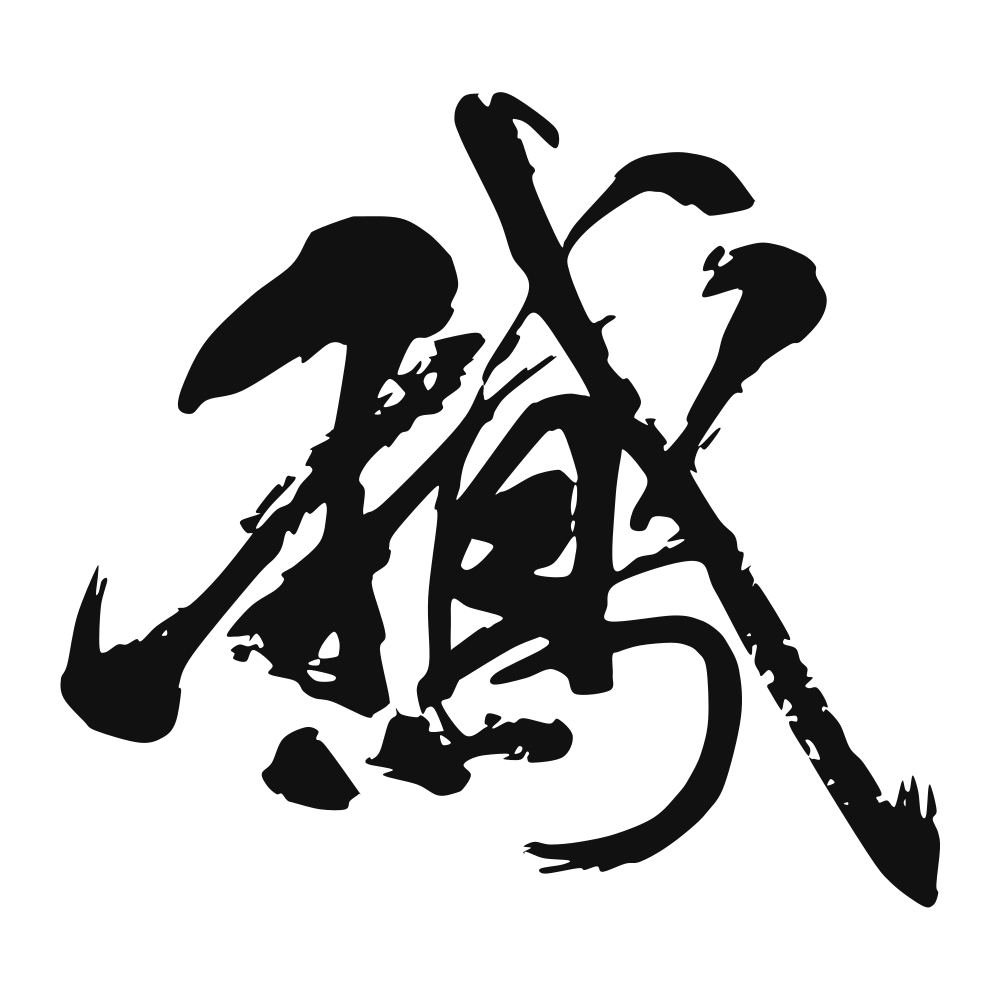
The Calligrapher — Yáng Níngshì 杨凝式
Five Dynasties master bridging Tang and Song running script.
Five Dynasties calligrapher (873–954), master of running script/cursive script — known for 《韭花帖》. Five Dynasties period
Cultural Story
《説文解字》gives 鹅 as “鴚鵝也,” the goose, a phono-semantic compound from the bird radical with the sound 我. Domesticated from the greylag, the goose guards the farmyard and graces the feast. Its downy chick's pale gold inspired 鹅黄, the tender yellow of early spring shoots.
Common words & phrases
- 天鹅 swan
- 鹅毛 goose feather
- 企鹅 penguin
- 鹅黄 light yellow · pale yellow
Read the story behind the character
The 天鹅 (swan) glides on lakes, the 企鹅 (penguin) charms zoo crowds, and we write with 鹅毛 (goose feather) pens. 鹅黄 (pale yellow) names both a silk dye and new willow leaves, while roast goose remains a holiday centerpiece from Cantonese shops to family tables.
Why this character belongs on skin
The bird that guards its honor: 鹅, the goose—我, 'I, myself,' standing inside a bird. Look at the structure and smile: self and goose in one character, which any farmyard will confirm is accurate. Geese mate for life and grieve their dead; the sacred geese of Rome, by their screaming, saved the Capitol from the Gauls in the night. In China, the calligrapher Wang Xizhi loved geese so deeply that he copied their necks' curves into his brushstrokes, and a whole calligraphy tradition followed the bird's long, deliberate turn. There is something worth becoming here: loyal without servility, loud about danger, graceful in motion, absurd and magnificent in the same body. 鹅 is devotion with a spine. Wear the bird that watches the dark and honks at it.
Own this character
Purchase delivers the original SVG of this glyph, brushed by Yáng Níngshì 杨凝式, ready to place on skin, paper, or screen.