
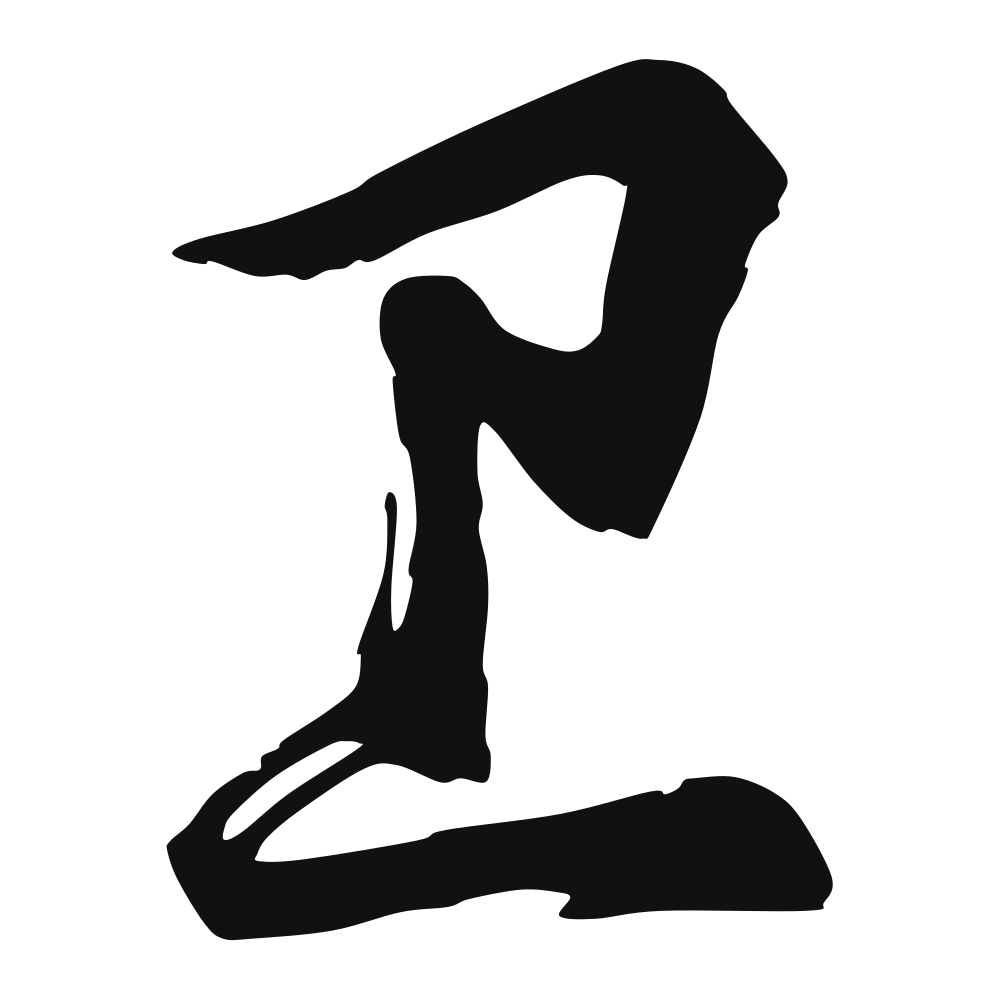
卫
surname Wei; vassal state during the Zhou Dynasty (1066–221 BC), located in present-day Henan and Hebei Provinces; to guard; to protect; to defend; health
Closest English meanings
defend·guard·protect·safeguard
The Calligrapher — Yī Bǐngshòu 伊秉绶
Qing master whose monumental clerical script rivalled Deng Shiru.
Qing calligrapher (), master of clerical script/seal script — Qing master of monumental clerical script, all width and calm. Qing dynasty
Cultural Story
The state of 卫, a small realm by the Yellow River, outlasted larger neighbors by the skill of its 卫士 and its walls. 保卫 later meant the standing guard; 守卫 the man at the gate. The word is the ring drawn around a thing worth keeping, from a city to a single life.
Common words & phrases
- 卫生 hygiene · health
- 保卫 defend · protect
- 守卫 guard
- 卫星 satellite
- 捍卫 safeguard · defend
Read the story behind the character
A 卫生 poster tells a kitchen to wash; 保卫 is the unit a border town trusts. 守卫 is the guard a bank pays by the door, 卫星 the dot a weather app tracks, and 捍卫 the word a speech uses for a right. The word shields from the cutting board to the constitution.
Why this character belongs on skin
To stand at the border of what you love and refuse to move. Wèi is to defend, to guard, the act of a body planted between danger and the tender thing behind it. The character once showed a city and the marching feet that ring it—protection as presence, not aggression. The West worships the conqueror; this glyph honors the guardian, the one whose courage is measured in staying rather than seizing. To ink wèi is to make a vow of custody: over a person, a memory, a principle you will not surrender. It is a tattoo of loyalty worn close to the chest or wrapped around the wrist like a sentinel's band. Unflashy, steadfast, it says less about you than about what you've promised to keep. In a life of departures, choose this one character as the place you finally hold the line.
Own this character
Purchase delivers the original SVG of this glyph, brushed by Yī Bǐngshòu 伊秉绶, ready to place on skin, paper, or screen.