
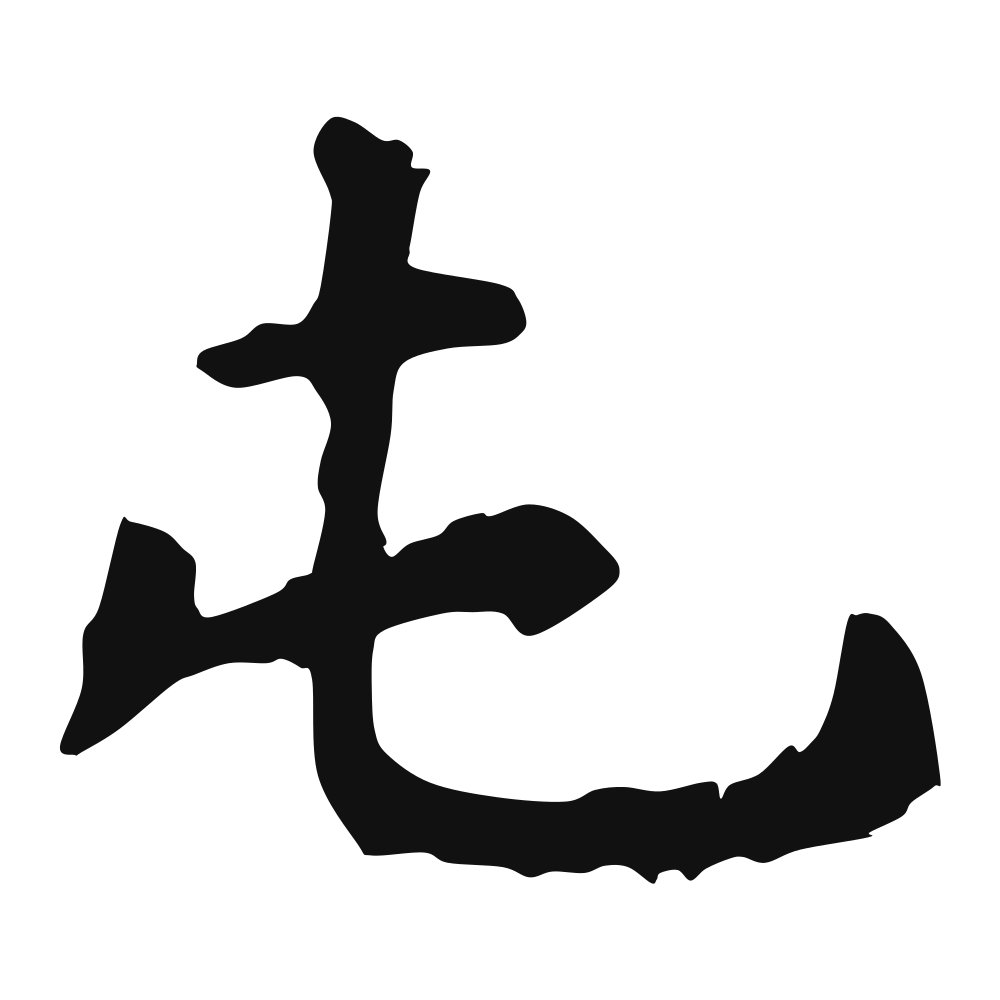
屯
to station (soldiers); to store up; village
Closest English meanings
to store·station·village·to collect
The Calligrapher — Yú Shìnán 虞世南
Tang court calligrapher revered for refined, restrained regular script.
Tang calligrapher (558–638), master of regular script — Tang master of quiet, inward regular script and teacher to the imperial academy. Tang dynasty
Cultural Story
屯 shows a sprout held back, meaning to store or collect; the Shuowen gives to gather. Armies 屯兵 (stationed troops) on the frontier, and farmers 屯田 (opened land for farming) to feed them. Merchants 囤积 (hoarded) grain against famine, and a 屯子 (hamlet, village) grew where people settled to work the soil.
Common words & phrases
- 囤积 to hoard · to stockpile
- 屯兵 to station troops
- 屯子 village · hamlet
- 屯田 to open up land for farming
Read the story behind the character
Vendors 囤积 (hoard, stockpile) masks in a panic, and the army once 屯兵 (stationed troops) at the pass. A 屯子 (village, hamlet) in the hills keeps old ways, and 屯田 (open up land for farming) built the frontier. The word gathers things and people — stored goods, stationed soldiers, a settled town.
Why this character belongs on skin
屯 is to garrison, to settle, to store up against the hard season. The old form shows a sprout pushing against earth that resists — new life meeting resistance and holding. Armies 屯 in hostile country and make a foothold of it. Farmers 屯 grain and sleep through the winter unafraid. To carry 屯 is to honor the wisdom of the defensive position, the courage of simply staying planted when the ground fights back. We glorify the charge; 屯 glorifies the stand. There is a deep steadiness here, a man who digs in rather than flits. Wear it as a mark of endurance, the pledge to accumulate quietly and outlast the storm. Let it sit where you can press it in doubt, and remember: the sprout does not retreat from the stone. It waits, it presses, and one spring the earth gives way.
Own this character
Purchase delivers the original SVG of this glyph, brushed by Yú Shìnán 虞世南, ready to place on skin, paper, or screen.