
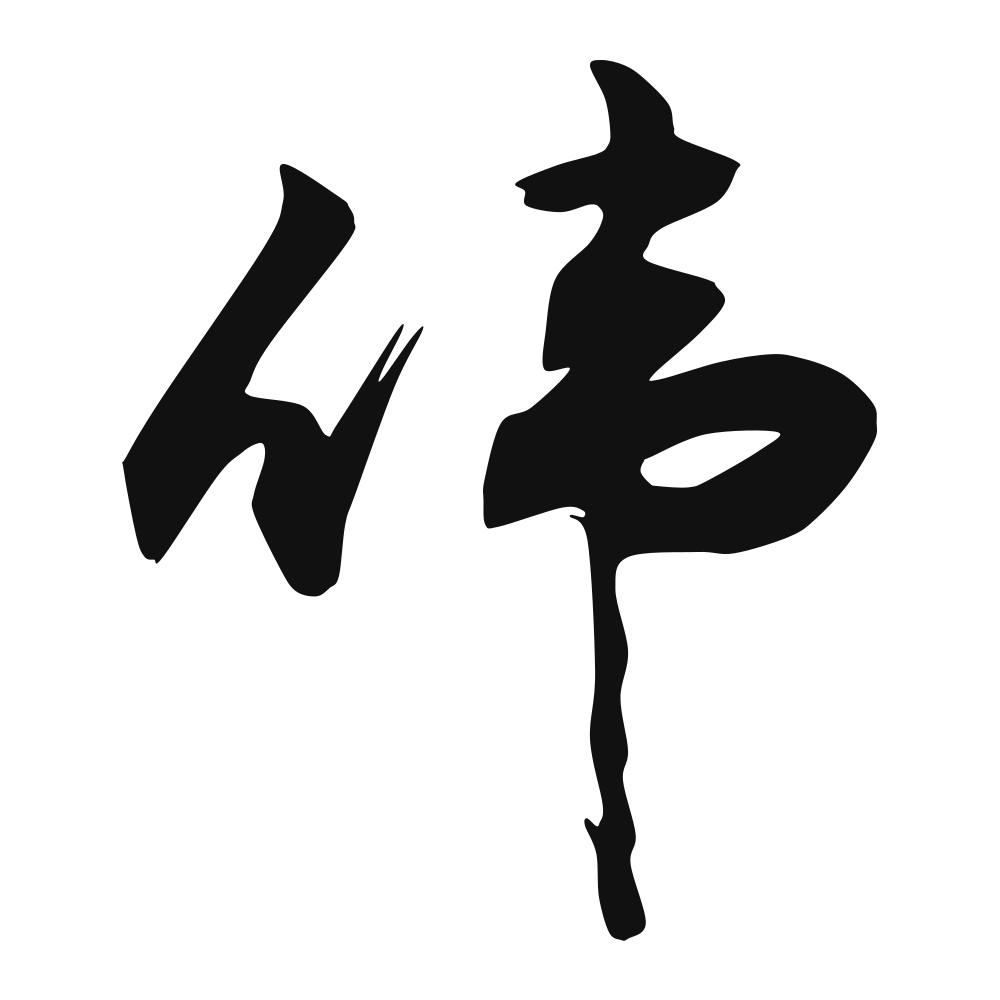
The Calligrapher — Zhōng Shàojīng 钟绍京
Tang calligrapher famed for the regular-script Lingfei Jing.
Tang calligrapher (), master of regular script — known for 《灵飞经》. Tang dynasty
Cultural Story
偉 is 人 with 韋, a man of imposing stature and bearing, the great one. The 說文 reads it as the large, the extraordinary. 偉人 is the hero history mounts in bronze; 宏偉 the hall that dwarfs the visitor. The character is the person, or the work, that exceeds the ordinary scale, the stature that makes others look up and step back.
Common words & phrases
- 伟大 great · mighty
- 伟人 great man · hero
- 宏伟 grand · magnificent
- 雄伟 majestic · imposing
Read the story behind the character
伟大 is the adjective pinned on founders and mothers alike; 伟人 the statue and the biography. 宏伟 is the plan and the stadium; 雄伟 the mountain and the monument. The character names the oversized, the great man, the grand design. It still means the imposing and the extraordinary, now as likely on a banner as on a bronze, the large that the age commemorates in concrete.
Why this character belongs on skin
Greatness is not loud. 伟 is the great, the magnificent, the large in spirit rather than in size — the man of stature whose importance radiates without a word. The character sets this greatness beside the person, as if to say the truly big are defined by what they are, not what they do. We in the West have confused greatness with noise, with wealth, with the biggest footprint. But 伟 is quieter: the grandmother who held a family together, the stranger who did the unbearable thing and walked on. To wear it is to claim an inner magnitude. It is the ink for the one who knows their worth without needing the world to confirm it. Let it sit on your skin as a promise to yourself. Be great quietly. The small characters, after all, are the ones that hold the most weight.
Own this character
Purchase delivers the original SVG of this glyph, brushed by Zhōng Shàojīng 钟绍京, ready to place on skin, paper, or screen.