
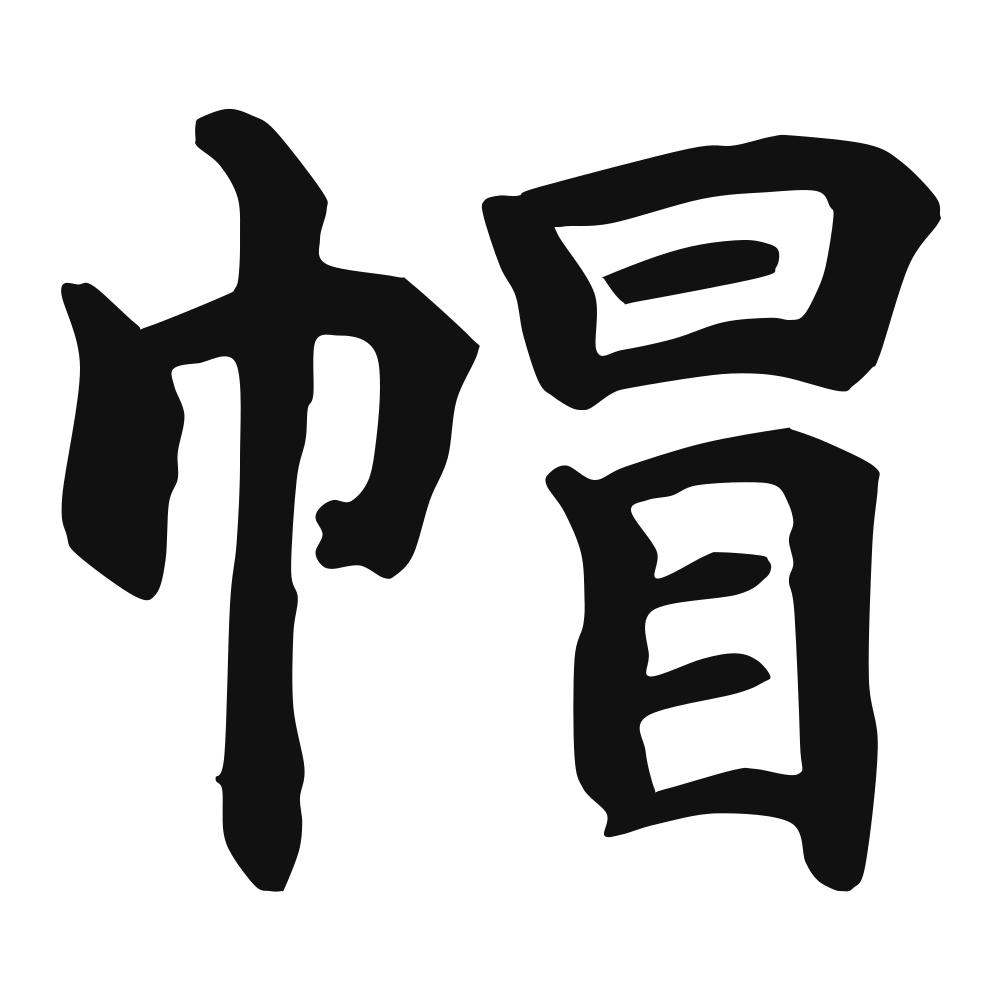
The Calligrapher — Zhū Xī 朱熹
Song neo-Confucian sage whose running script conveys calm authority.
Song calligrapher (), master of running script/regular script — known for 《城南唱和诗》. Song dynasty
Cultural Story
帽 is the simplified 帽, a head-covering, and the Shuowen's older 冃 is 'a cap for children and border peoples.' From humble origin it rose to mark rank: the official's 乌纱帽, black-gauze cap, signalled office, and to 'lose one's 帽' meant to lose one's post. A 帽 shaded the sun and signalled status at once. The word sits on the very top of the body, where identity and authority are most visible.
Common words & phrases
- 帽子 hat · cap
- 草帽 straw hat
- 礼帽 top hat · formal hat
- 帽檐 hat brim · visor
Read the story behind the character
You grab a 帽子, a hat, against the cold, and a farmer wears a 草帽, a straw hat, in the field. A wedding calls for a 礼帽, a formal hat, and the 帽檐, the hat brim, shades your eyes. Children lose 帽子 on the playground, and officials fear 'losing the 乌纱帽.' From sun protection to a symbol of job and class, the 帽 still tops off who you are.
Why this character belongs on skin
There is a certain swagger in tipping a brim against the sun. 帽 is the hat—left radical an ancient cloth, right side a word for covering—what you choose to wear over the head that rules you. Crown and cap, laurel and bandana: every civilization crowned its winners, and even the humblest laborer owns one piece of glory. To carry 帽 is to carry the idea of bearing a title lightly, a crown you can still take off at the end of the day. It is dignity with a wink, authority you can palm and hand back when the workday ends. Some ink is armor; this one is a tip of the hat—to yourself, to the road ahead. Let it sit where a crown would.
Own this character
Purchase delivers the original SVG of this glyph, brushed by Zhū Xī 朱熹, ready to place on skin, paper, or screen.