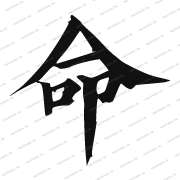
命 (mìng) — Destiny
Single-character Chinese tattoo · verified meaning · contemplative script & minimalist-friendly
Browse all 命 glyphs ↗Meaning & Nuance
命 (mìng) is the Chinese character for destiny, fate, and life itself. It carries the sense of what is allotted to us — as in 命运 (fate) or 生命 (life). In Chinese thought it sits between acceptance and agency: 命 is what you’re given, 运 is how it unfolds. It is distinct from 名 (míng, “name”), a common homophone confusion, and from 令 (lìng, “command”).
Pronunciation & Form
Pinyin: mìng — a fourth-tone (sharp, falling) syllable, dropping decisively like a period. The character combines 人 (person) and 叩 elements with 令 (lìng) as a sound component, suggesting a “command” over one’s life.
Common Words & Phrases
Why Get 命 as a Tattoo
命 is a tattoo of the life you’re given and the weight of it — for someone who wants to honor their path, or who has stared down fate and chosen to keep going. As a single character it reads clearly as “destiny/life” to Chinese readers and invites quiet reflection. It pairs naturally with 运 (fortune) as 命运, or with 生 (life). It’s a contemplative mark rather than a declarative one.
Tattoo Style & Placement
Best fits: fine-line, brush, or minimalist styles. 命 is compact, working as a small-to-medium piece on the forearm, wrist, or rib. A subtle thread or circle accent can suggest fate’s line. Font note: a clean, calm script keeps its reflective tone; keep it at least ~3–4 cm tall so the strokes stay legible.
Authenticity & Cultural Note
Always confirm the character with a native speaker or linguist before inking. 命 (destiny/life) sounds like 名 (míng, name) and 明 (míng, bright) — a wrong character changes the meaning entirely. handmade.ink meanings are checked by native Chinese linguists so your ink says exactly what you intend.
Frequently Asked Questions
What does the Chinese character 命 mean?
How do you pronounce 命?
Is 命 a good tattoo for fate or life?
What is the difference between 命 and 名?
What words use the character 命?